

Solar panels are a renewable energy source that converts sunlight into electricity. More and more people in Tasmania are converting to using solar panels for their homes. Although Tasmania is often perceived as a cooler and cloudier state, it offers excellent conditions for residential solar systems when designed correctly. While a solar system requires an initial investment, it immediately starts reducing bills and helping the environment. There are a variety of solar panels to choose from for a house and key considerations include system size, battery storage and potential rebates when deciding on the right system for a home.

How Solar Panels Work in the Home
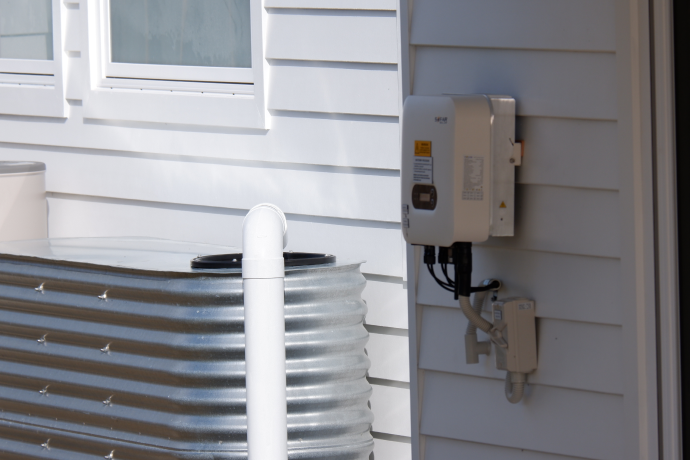
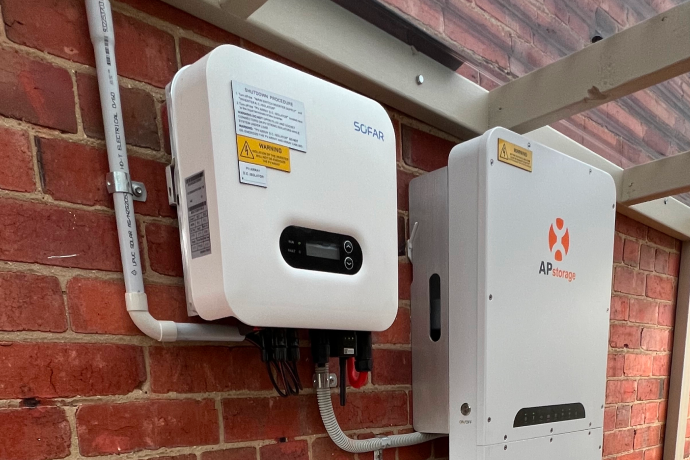
Solar panels work in the home by converting sunlight into electricity using photovoltaic cells made from silicon. The sunshine hits the photovoltaic cells and creates electricity called direct current. This is then converted by an inverter into alternating current to be used in the home. Appliances and lights in the home need AC electricity to work. This electricity is fed into the home to be used instead of buying electricity from the grid. For households that have a battery backup, any excess electricity not used during the day can be stored for when there is no sunlight. Other households will send unused electricity back to the grid.
Benefits of Solar Panels
Installing solar panels on a Tasmanian home has a plethora of benefits from saving money to the environment. A common question is are solar panels worth it particularly given the initial financial investment. Under the right circumstances solar panels have a myriad of advantages. These include:
- Reduce bills: Solar energy is electricity created by the sun, rather than purchased by an energy retailer. A 6.6kW system can save between $800 and $1300 annually off electricity bills. Sometimes solar systems can eliminate electricity bills completely depending on energy consumption and the size of the system.
- Protect from rising electricity prices: When solar panels are used to produce electricity, less is purchased from the grid and homeowners are protected from rising electricity prices.
- Environmental benefits: Solar panels produce electricity without direct greenhouse emissions Demand is decreased on fossil fuels and there is a lower environmental impact.
- Reduce the cost of charging EV: Solar panels are an excellent source for charging electric vehicles. You can reduce or eliminate charging costs for powering the EV.
- Increased property value: Installing solar panels increases property value by about4 % and 7%. Buyers prioritise energy efficiency in homes which is why houses with solar panels often sell faster and for more money.
Types of Solar Panels for Residential Use
The main types of solar panels that are used for houses fall into three categories. Each has characteristics that make them more suitable for some applications over others. These panels are:
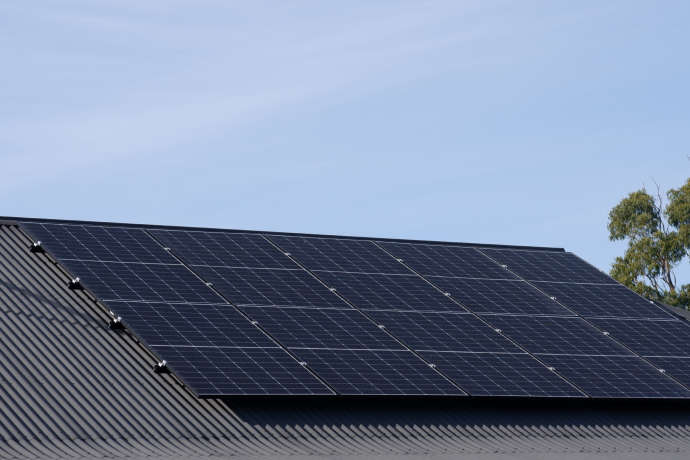
- Monocrystalline: Made from single crystal silicon cells, monocrystalline cells are usually dark black and considered highly efficient. Monocrystalline panels have superior output per square metre compared to their counterparts and excellent long term value. These panels are best for smaller roofs or homes requiring maximum energy output per panel.
- Polycrystalline: These panels are made from multiple silicon crystals that are melted together and usually have a blue look. Polycrystalline panels are ideal for houses as they have good efficiency and are more affordable than monocrystalline. Usually this type of panel will take up more space on a roof than the higher efficiency monocrystalline panel.
- Thin film: Thin film solar panels are made up of thin layers of photovoltaic material like cadmium. They can be over 300 times thinner than a traditional solar panel. They don’t perform as well as the other crystalline panels but are ideal for situations where weight or shape of the panel is a consideration.
Cost of Solar Panels for a House
How much solar panels cost for a house will depend on a number of factors like the size, brand, and type of roof. Typically solar panels for an average home will cost between $6,000 and $10,000.
Factors that Affect the Cost
- System size: The larger the system, the more expensive it will be. A smaller 3kW system costs between $4,000 and $5,500, while a 10kW system is up to $15,000.
- Brand and quality: Different solar panels have different technologies, some better than others. The quality and brand solar panel will impact how much it costs. Higher efficiency solar panels with a better warranty often cost more upfront.
- Equipment – batteries, inverters, panels: The quality of the equipment has a major impact on the price point of solar panels. Premium inverters, batteries and panels increase the initial cost.
- Installation and location: A roof that is hard to access or has poor materials can impact solar system costing. Difficult installations will increase the price of labour and hardware requirements as specialised labour and equipment may be required.
- Installer reputation: Local, reputable installers with Solar Accreditation Australia certification may have higher installation fees. However, accredited installers with good reputations are essential for safer and more professional installation and guarantee of warranty eligibility.
- Government rebates/feed in tariffs: Tasmania government rebates in the form of small-scale technology certificates (STCs) which helps with the cost of a solar system. These certificates directly reduce the upfront cost of purchasing and installing a solar system.
Is Your House Suitable for Solar Panels?
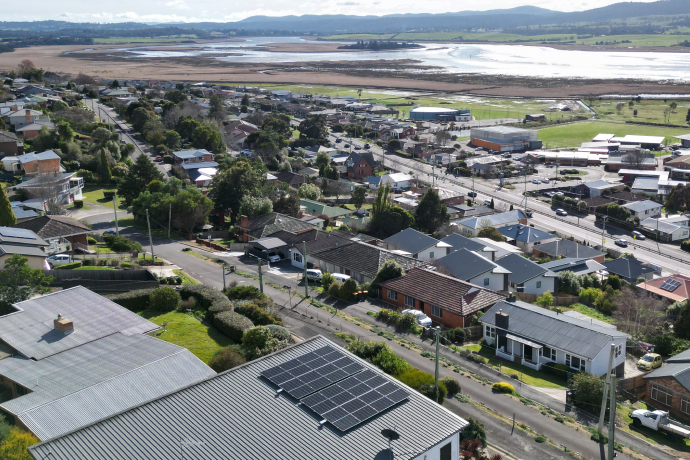
The rooftop and location have an impact on a property’s suitability for solar panels. Most houses in Tasmania are excellent for installing solar panels as, despite its southern location, it receives strong solar irradiation particularly during spring and summer. The cooler climate in Tasmania can also improve solar efficiency as panels perform better in lower temperatures. When assessing if a house is suitable for solar panels take these factors into account.
- Sunlight and shading: These are the most important factors when it comes to determine if solar panels will be suitable for a house. For solar panels to generate electricity, they need to connect with sunlight. The amount of sunlight available whether due to location or shading will impact how suitable solar panels are for a house. Determine how much sunlight a roof gets each day and how consistent that sunlight is throughout the year. Identify any roof shading that may impact solar efficiency.
- Roof pitch and angle: Solar panels work best when the roof pitch matches the sun’s position. Take note of what the roof pitch, taking into account the ideal roof tilt will be about 20 to 25 degrees. In Tasmania, a slightly steep tilt helps improve performance in winter.
- Roof condition and age: If a roof is in bad condition or over 20 years of age, make sure repairs or replacement is carried out before installing solar panels. Solar panels need a strong roof with structural integrity to support their weight.
- Roof space: Solar panels need a clear roof area for installation and sometimes very small roofs will not be suitable. Most solar panels need approximately 1.7 to 2m² per of roof space per panel. The average 6.6kW solar system needs about 16 to 18 panels. Roof space must also be uninterrupted by structures like skylights or chimneys.
- Energy needs: Consider how much energy the household requires. A solar system works at an optimal level when it matches the energy consumption of the house.
Choosing the right Solar System Size
The right size solar system will depend on how much electricity you use, when you use it, budget and the amount of sunny roof area available for solar panels. The solar installer will usually gather all these factors together and recommend the right sized system for your needs. However, the steps to calculate what size solar system is best are quite simple.
- Assess annual kWh consumption: Look at the electricity bill or contact your provider to find out your annual electricity usage. Calculate the daily consumption by dividing the annual figure by 365.
- Find peak sunlight hours: Work out when sunlight is at a peak in your location. For those with reduced sunlight, sometimes a larger solar system is required.
- Calculate daily usage compared to sunlight availability: Divide the average daily usage by the amount of sunlight you receive each day for a rough estimate of the size of the solar system to install.
Deciding on a Battery
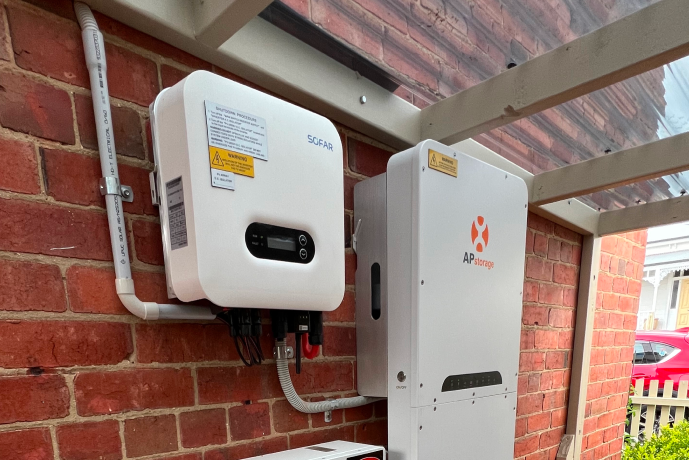
Solar panels do not come with a battery backup and can only be used during the day without a battery. Solar batteries are devices that store excess energy that has been generated by solar panels during the daylight hours. To decide on a battery for a solar system, take into account your energy needs, lifestyle and budget. Batteries can be an expensive upfront cost. However, they increase energy independence and savings in the long run.
How to Get Solar Panels for a House
The steps to getting solar panels for a Tasmanian house include making sure you get the right type and size for your needs.
- Assess your needs: Take into account energy consumption, roof suitability and goals for solar power system installation.
- Find a retailer or installer: Make sure you utilise an accredited installer.
- Understand the rebates and incentives: The main financial incentive in Tasmania is the Small Scale Certificates. The installer will calculate and apply the rebate to your solar system.
- Once you choose the installer, they will design and install the solar system and submit the grid connection application on your behalf.
Installing solar panels on a house in Tasmania is a forward thinking investment to save money and help the environment. Thanks to modern technology and low operating temperatures, Tasmania is an environment with strong solar potential. To find out about solar panels for a house, contact the team at Tasmania Safer Solar.

 1300 655 808