

For those looking to make the switch to solar, you might be wondering if your roof can support the size and weight of a solar system. Within Australia, standard residential solar panels typically have measurements of 1.7m x 1m, with a weight between 18 and 20 kg. However, the exact size varies depending on the number of cells or panel type, as commercial panels are usually larger.
Understanding the weight and dimensions is an important step for determining how suitable solar is for your home. A complete solar system can cover a substantial amount of roof space with a standard 6.6 kW system reaching around 38 m2. Weight is also an important factor for evaluating the structural integrity of your roof. This guide breaks down solar panel sizes, including their dimensions, weight, and the other key considerations to help you make the right decisions.
Standard Residential Solar Panels Dimensions & Weight
Dimensions of Residential Solar Panels
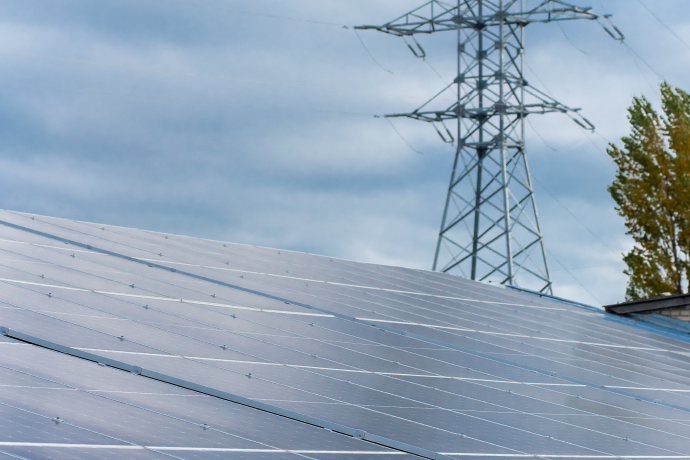
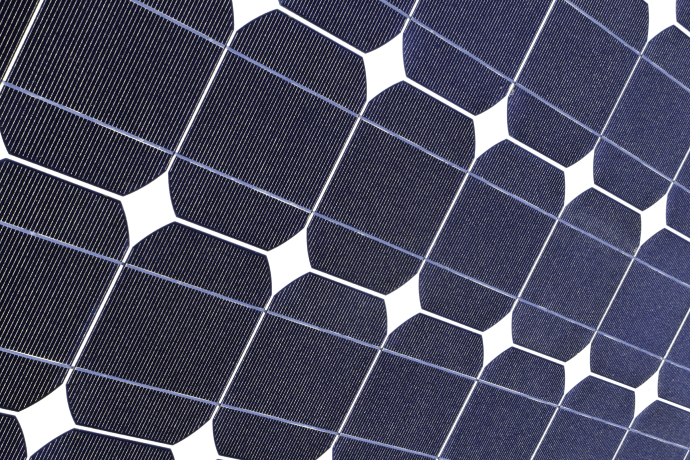
Solar panels are comprised of multiple solar cells, which are the squares that are visible on the board. These cells are made from semiconductor materials and are responsible for converting sunlight into usable electricity. This is important because the more cells a panel has, the larger it will be.
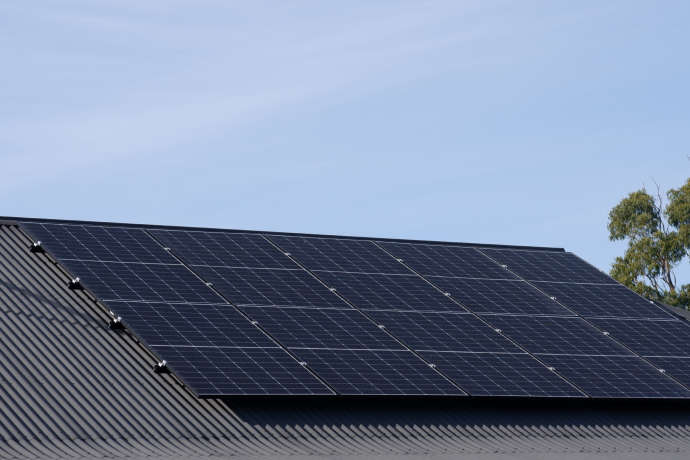
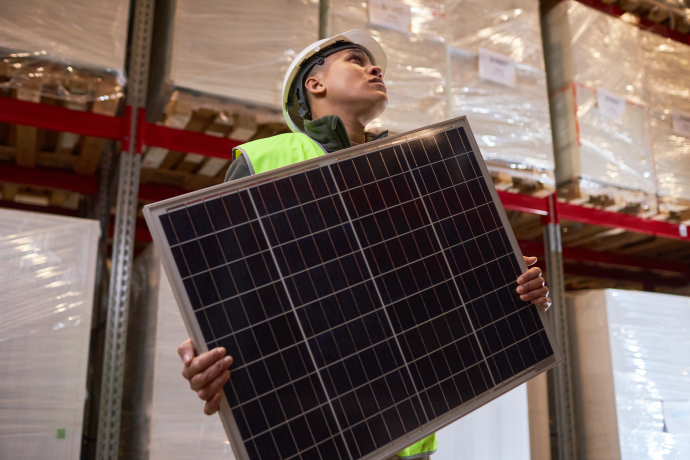
Standard household solar panels contain 60 solar cells, with average width and length dimensions of 1.7 m x 1.0 m. Thickness typically ranges from 30mm to 40mm. Solar panels can also come with 72 cells, which are mainly used for commercial applications, with dimensions of 2.1 m x 1.1 m.
Weight of Residential Solar Panels
The weight of your solar panels is just as important as their size. A standard, residential panel typically weighs between 18 and 20 kg.
Factors That Influence Solar Panel Dimensions and Weight
The exact size of a solar panel is dependent on a variety of factors, including:
Cell count and configuration
The most significant factor affecting the size of a solar panel is the number of solar cells. The majority of residential solar panels generally use 60 cells, while commercial panels typically use 72 cells, which increases both the weight and dimensions.
Solar panel type
The type of solar panel plays a major role in determining its size. Most homeowners will have a choice between the following three types, each with their own variations in size:
- Monocrystalline Panels
Monocrystalline is the most common type and is made from single-crystal silicon cells. This design makes them highly efficient, meaning they can generate the same amount of energy as other panel types in less space. Monocrystalline are usually found with dimensions of 1.7 m x 1.0 m and a weight of approximately 20 kg. - Polycrystalline Panels
These panels are less efficient than monocrystalline, meaning they require a bigger surface area to produce the same amount of energy. Therefore, panels of the same power rating are usually 10-20% larger, with dimensions of 2.0m x 1.0m, and a weight of approximately 23 kg. - Thin-Film Panels
The most unique panel type, thin-film, uses layers of photovoltaic material applied to a flexible or lightweight substrate. Their average size can vary widely depending on their intended use, but a typical thin-film panel can weigh less than 10 kg, with a thickness of under 3 cm.
Material
Although it won’t affect the dimensions as such, different materials may add to the total weight. For example the protective, tempered glass and sturdy aluminum frames are typically the heaviest components. The glass in particular can contribute around 65% to 80% of the total weight.
Mounting and racking system
Mounting and racking systems can directly influence the total size of your panels. These typically include a structural framework of aluminum or steel components that keep panels secured to the roof, with brackets, clamps and fasteners. Although this mounting hardware is designed to distribute the load safely, it can still add extra weight of around 2-6 kg per square meter of panels.
Why Does Solar Panel Size Matter?
Understanding both the weight and dimensions of your solar panels is crucial for the following reasons:
- Roof space and energy production
You only have access to so much roof space and by considering the dimensions of your solar panels, you can design a system that fits the space available. Although larger panels deliver more energy, they also take up more space, making it important to balance the size of your panels, with the available roof area, and your household demands. - Structural integrity of your roof
Roofs are designed to only withstand specific weights. Even though panels may be lighter than you expected, the total weight of a solar system can still be significant. Therefore, understanding the weight of your solar panels helps you determine whether your roof structure can carry this without issue. - Ease of Installation
Size is an important factor when it comes to installation. This is because the physical size may affect how long the installation takes and the safety of the installers. Commercial panels, due to their heavier size and larger dimensions, may require more labourers, especially when working on rooftops.
How Much Space Do I Need On My Roof?
To determine the space you will need on your roof, you first need to identify the size of your solar system. This will be determined by your solar installer, primarily based on your individual energy consumption, as the more electricity your home uses the more panels you’ll need to install with your solar system. Your solar installer will also consider your location and the amount of sunlight your home gets. If you live in an area with frequent clouds, your installer may recommend you install more panels to generate an appropriate amount of energy. For more information on how to determine your solar system size, please refer to our article here.
On average, the majority of households require a system between 5 kW and 8 kW, with a 6.6 kW solar panel system the most widely installed size. Based on the standard dimensions of 1.7 m2, and the 20 solar panels required, this means you’ll need approximately 38 m2 of roof space. The following table provides an indication on the roof space required for different solar system sizes.
| Solar Panel System Size | Number of Solar Panels | Approximate Roof Space |
| 2 kW | 6 | 12 m2 |
| 3 kW | 9 | 17 m2 |
| 4 kW | 12 | 23 m2 |
| 5 kW | 15 | 28 m2 |
| 6.6 kW | 20 | 38 m2 |
| 8 kW | 24 | 45 m2 |
| 10 kW | 30 | 55 m2 |
Source: https://www.solarchoice.net.au/solar-panels/sizes/
How Much Weight Will Solar Panels Add to Your Roof?
Most households with an average electricity use will need a solar system size of 6.6 kW, or approximately 17-20 solar panels. With a residential solar panel weighing between 18 and 20 kg, the total weight of your system could be over 400 kg. Mounting hardware will also add weight to your roof, with an extra 2 kg per square foot. This total weight is usually well within the structural capacity of most home’s, particularly because the weight is distributed across the structure.
Can My Roof Support a Solar Panel Installation?
Although most modern roofs should be able to support the weight of a complete solar system, it’s still important to consider the following factors that affect your roof’s suitability:
- Roof size
It’s important to consider the roof space available as you may have an apartment or townhouse that won’t be able to fit the solar system needed to support your electricity consumption. Conversely, if you install solar panels across all areas of your roof, the load may not be distributed evenly enough to support the weight. Discuss these queries with your installer, who will be able to assess the size of your roof and the suitability of solar. - Roof Age
We recommend roofs that are over 20 years old getting examined prior to installation, regardless of material. This is because older roofs may need additional structural reinforcement, repairs or replacement, depending on the level of degradation. - Materials
The type of material your roof is constructed from can be a central factor to its load-bearing capacity. Metal roofs are typically the strongest material for adding solar as they are highly durable. On the other hand, clay and slate tiles can make installation challenging, as they typically need to be reinforced before any panels are added. - Condition
Your roof is vulnerable to damage, or general wear and tear from weather, environmental conditions or debris. These may interfere with your roof’s ability to support the added weight of solar panels and should be evaluated by a solar professional.
If you’re still unsure over the suitability of your roof system, please consult with solar professionals, such as the team at Tasmanian Safer Solar (TSS).
What Are the Alternatives When a Roof Can’t Support Solar Panels?
Sometimes your roof may be too structurally unsound, or too small to accommodate the right solar system size for you. This doesn’t mean that a solar system isn’t right for you, as you can still access solar energy with the following alternatives:
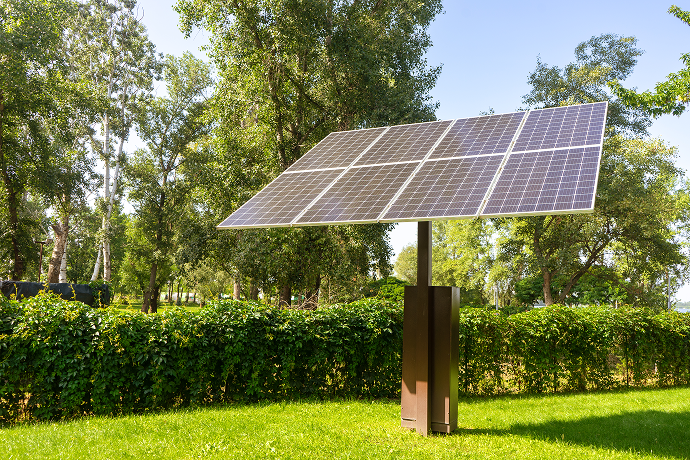
Ground-mounted solar panels
If you have enough space, you may be able to make ground-mounted panels work. This is particularly great for those with larger properties, or extensive backyard space. Trees may be an issue with installing panels on the ground, as well as any shade from nearby buildings. However ground-mounted solar panels can be just as effective as roof-mounted ones. Because they are on the ground you also have the added benefit of being able to clean your panels more safely, and adjust their angle depending on the direction of available sunlight.
Consider reducing size
If your roof can’t support the weight or space of your desired solar system size, you can always consider sizing down. Although you won’t produce as much energy and your savings will be reduced, you can still achieve a decent return on investment, especially if you have low energy usage. Especially if you choose high-efficient panels, such as monocrystalline, and optimise their orientation, you can make the most out of a limited number of panels while still enjoying the benefits.
Community solar
Also known as shared solar, these are solar energy projects in which households can subscribe to a community solar farm, and receive credits on their electricity bills for the energy generated. This is basically where electricity is shared by more than one household, allowing the access to solar energy without needing to physically install panels on their property. Especially for those who rent or have unsuitable roofs, subscribing to a community solar project can be a smart solution.
To ensure your installation runs smoothly, it’s important for homeowners to understand the size and weight of solar panels. This will help you determine the amount of panels that can fit on your roof, and the total weight that will be added. If you have any concerns about how the size of solar panels may affect your installation, the experts at TSS are ready to find the right solution for your home.

 1300 655 808