
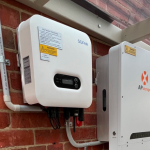

As Tasmanians begin to explore the benefits of solar energy, it’s important to understand the lifespan of your system components. At the heart of your solar system is your inverter, which converts the energy generated by your panels into usable electricity.
The lifespan of a solar inverter can range from 10-15 years for string inverters, to 20-25 years for microinverters. Although factors such as your environment and component quality can affect their lifespan. To ensure you get the most out of your inverter, choose a reputable manufacturer that uses high-quality components, and ensure you carry out proper care and maintenance.
Understanding the Role of Solar Inverters
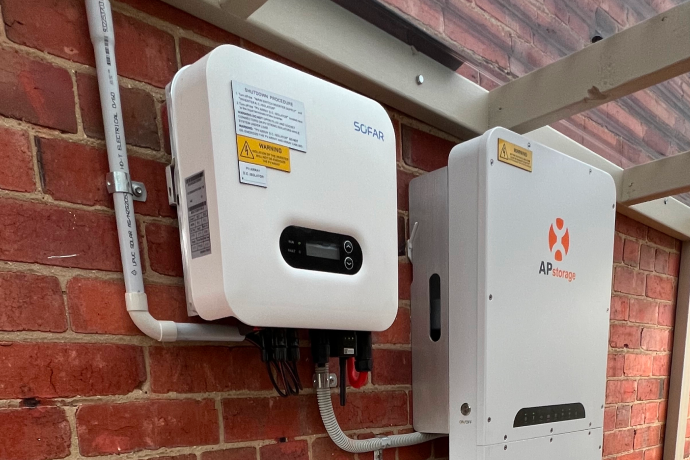
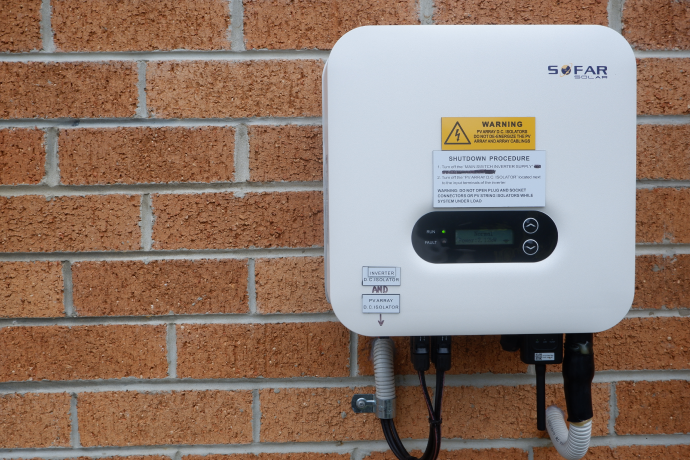
Inverters are essential components to the success of a solar system. They are responsible for converting the Direct Current (DC) energy produced by your solar panels into usable Alternating Current (AC) for your home. The inverter acts as the brain of your solar system, controlling the energy flow, monitoring system performance and ensuring a safe transport of electricity from your panels to your home appliances.
What Is The Lifespan of a Solar Inverter?
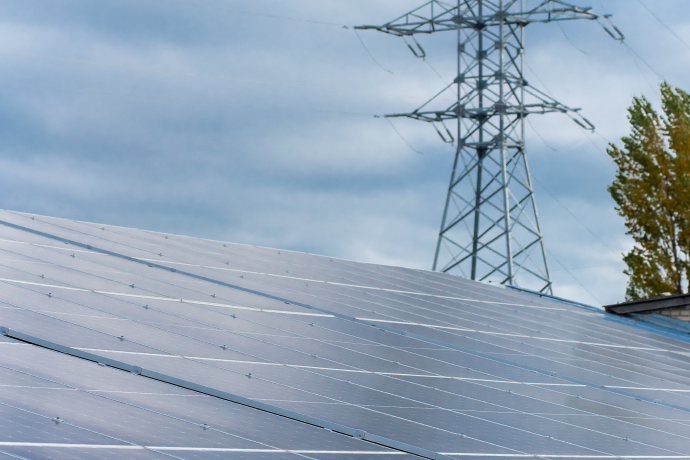
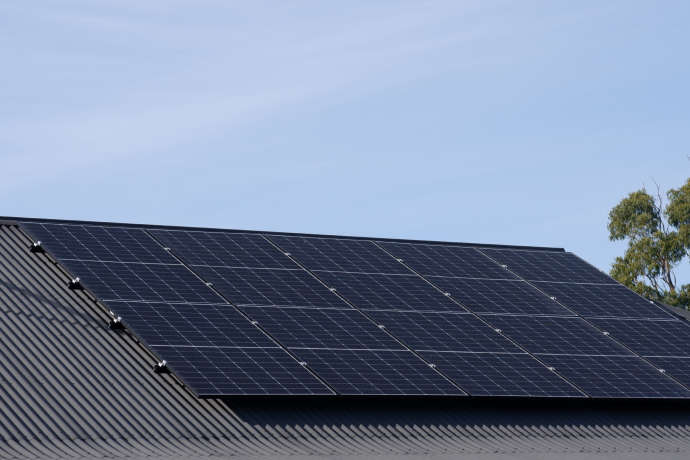
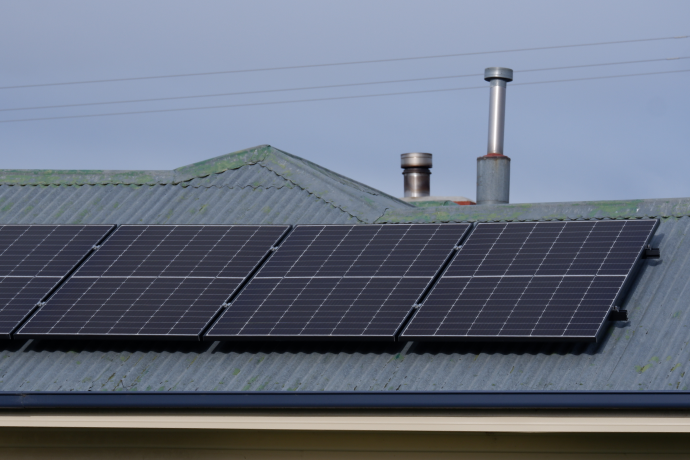
While solar panels usually last 25 to 30 years or more, inverters usually have a shorter lifespan. This is because they are under more constant strain as they continuously convert DC from the panels to usable AC energy.
The average lifespan for a solar inverter is typically 10 to 15 years for string inverters, while microinverters can last up to 20 to 25 years. The exact lifespan of your solar inverter will vary depending on several factors.
Factors That Affect Lifespan
Inverter type
The type of inverter you install will heavily affect how long they last. This is because different inverter types have radically different designs that influence their lifespan. The following is a breakdown of the four major inverter types and their associated lifespans:
- String inverter – 10 to 15 years: The most common choice for residential installations. They have a shorter lifespan because of their design, as they are expected to handle the demands of an entire solar panel array, which leads to a higher voltage and temperature stress.
- Hybrid inverters – 10 to 15 years: The lifespan of a hybrid inverter typically aligns with a string inverter. Because they are responsible for managing the energy production of your solar panels and solar battery, they are put under considerable stress.
- Microinverter – 20 to 25 years: Because microinverters are mounted individually to separate solar panels, they experience lower stress levels and electricity demands than string/hybrid inverters.
Environmental impacts
Depending on where you live, different environmental conditions can either prolong or shorten your inverter’s life. If you live in a region that’s regularly exposed to extreme heat, excessive humidity or dust and debris, your inverter is likely to degrade more rapidly. This is because many of the components housed within an inverter are incredibly sensitive to heat, which speeds up the aging process.
Luckily, extreme heat isn’t really an issue for Tasmanians, but you should still ensure your inverter is installed within a well-protected, well-ventilated area that’s shaded and away from any direct sunlight.
Component quality
Inverters that are constructed from high-quality manufacturers that prioritise premium components will likely last longer than those from less reputable manufacturers. This is because reputable brands use top-quality capacitors with advanced thermal management, better surge protection, and higher standards in manufacturing. On the other hand, lower-quality inverters, while cost-effective, typically have shorter lifespans because their components aren’t as durable.
Tips for Extending Inverter Lifespan
To help homeowners get the most out of their new inverters, we recommend the following tips for extending their lifespan:
Consistent Monitoring
Many modern inverters will come fitted with a form of monitoring system. This should allow you to track how well your solar system is performing. A monitoring system can also help you identify any issues before they get worse. If you monitor an unexplained drop in performance levels, it may be worth inspecting your inverter.
Install it in a cool, shaded, and well-ventilated area
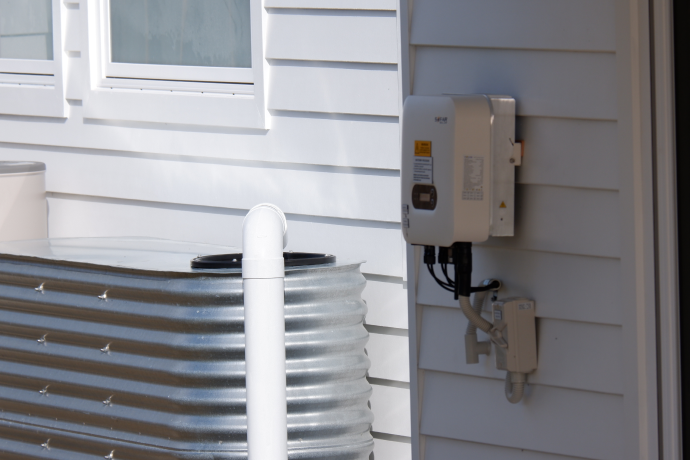
The placement of your inverter can make or break its longevity. This is particularly important for string-inverters, as the central box must be placed in a location that’s cool, shaded and with plenty of ventilation to prevent overheating. Solar installers will often mount a string inverter on a south-facing wall to protect it from the harsh afternoon sun and close to the main switchboard.
Placement is less of an issue for microinverters as they are individually connected underneath a solar panel, which provides natural shade and protection from the elements.
Choose high-quality products
Because the quality of your components has such a strong impact on their lifespan, we recommend opting for inverters made from reputable manufacturers that prioritise high-quality components. These inverters are designed to better withstand any harsh conditions with greater durability. At Tasmanian Safer Solar (TSS), we only choose inverters made from proven manufacturers that are made to last, such as APsystems, AlphaESS and SOFAR.
Regular maintenance
Dust and debris can slowly accumulate on your inverter vents and cooling fins that can increase the risk of overheating. It’s always recommended to physically inspect the outside of your inverter to spot any signs of dust, as well as any general wear and tear. If you spot any dust, wipe the surface down with a soft, dry cloth, avoiding using water or any chemicals that can damage the inverter. Regardless of how well it’s performing, we also recommend organising a solar professional to inspect both your inverter and solar system annually to spot any potential issues. They can also check microinverters mounted beneath solar panels, which aren’t as accessible to homeowners.
Signs You May Need a Solar Inverter Replacement
If you notice any of the following signs, it may indicate the need for a new inverter:
- Repeated error codes: When your inverter has an issue, most modern systems have a display screen that may show some form of error code. If you encounter these error messages repeatedly, even after resetting your inverter, it likely means that either components are failing or there’s a grid-related issue.
- Decline in energy production: If your solar system is experiencing a drop in energy, this could mean your inverter is underperforming or malfunctioning. Your inverter may still be operating, but it may not be converting energy as efficiently or consistently. We recommend comparing your system’s current performance with its output from the previous months. If you notice a significant dip, please contact your solar installer, who can diagnose the issue.
- Frequent shutdowns: When your inverter overheats, it is designed to shut down. Therefore, if your device keeps cutting out, especially during summer, this could mean the cooling fans or internal electronics are not working properly. It may also be due to the inverter failing to handle the required power output or regulate voltage.
- Age: Regardless of how well you’ve taken care of your inverter, once they reach their expected lifespan, problems become more frequent and performance levels go down. If your inverter has passed its warranty period and breakdowns are becoming more frequent, a full replacement is likely the best option.
- Unusual sounds: When an inverter is working correctly, it should operate quietly with only minimal noise from the fan. If you start to hear any unusual sounds, such as a buzzing, clicking or humming, this could be a sign that its internal components, such as the capacitor or the cooling fan, are failing.
Solar Inverter Warranty Explained
Understanding your warranty should be an important point to consider when discussing inverter lifespan, as it helps to safeguard your investment from any premature failure. Your exact warranty period will vary depending on your inverter type and chosen brand.
For example, you should expect the following warranty periods for different inverter types:
- Microinverter: 20-25 years
- String inverter: 5-12 years
- Power optimiser: 25 years
- Hybrid inverter: 5-10 years
These warranty periods are based on the expected lifespan of each inverter.
An inverter warranty should cover any product defects, such as an electronic failure or faulty circuit board. Importantly, not every inverter fault is considered a warranty issue. For example, if an inverter gets damaged by weather or broken by pests, you likely won’t be covered.
Make sure you review the exact terms and conditions of your warranty thoroughly to ensure you understand all terms before committing to an inverter.
Solar Inverter Repair vs Replacement
Once your inverter starts to exhibit signs of failure, you may be faced with the decision of attempting to repair or replace your inverter. Because inverters can be expensive to replace, it’s important to first determine whether or not it’s your inverter that’s failing. For example, a decline in energy production may not always be due to inverter failure, but rather a solar panel fault or seasonal changes.
If issues are minor, repair is usually the preferred option. If an inverter is suffering from a software glitch or a loose connection, these can often be solved with basic troubleshooting, such as a system reset or rewiring.
However, if there are signs of more severe damage, such as an internal component failure, this will likely indicate a more serious issue that makes repair difficult. Repair is particularly difficult for microinverters because of their small size. Particularly if your inverters are still covered under warranty, a full replacement is usually the preferred option. We recommend consulting a qualified solar professional, such as the team at TSS, to ensure any inverter issues are properly diagnosed.
A solar inverter can last anywhere between 10 to 25 years. By adhering to proper care and maintenance, you can ensure you maximise your investment and avoid any costly replacements. At TSS, we only install inverters from reputable manufacturers that use premium components. For more information, please contact our team.

 1300 655 808