

Ground mounted and roof mounted solar panels both use photovoltaic panels, inverters and wiring to generate electricity from the sun. However one is mounted on the ground, the other on the roof. Depending on where you live and the amount of space you have, you might be curious about whether ground mounted or rooftop solar panels are the better option. Both have benefits and disadvantages and each can be more suitable depending on different factors.
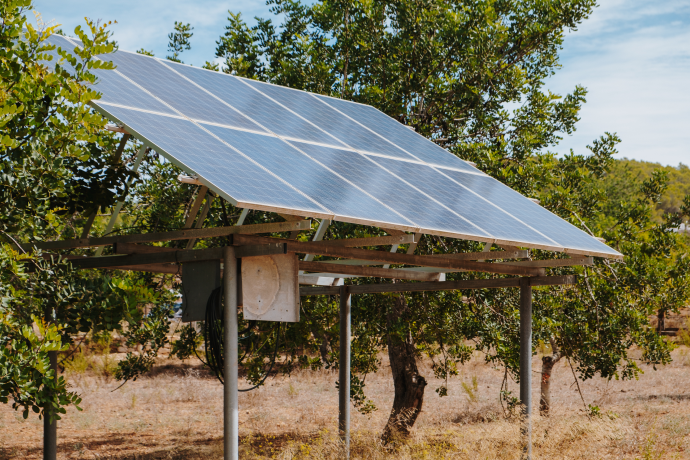
What are Ground Mounted Solar Panels?
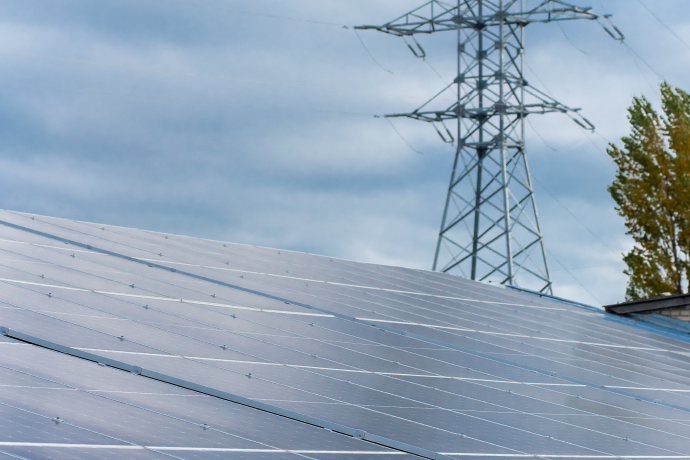
A panel that is installed on the ground is a ground mounted solar panel. These photovoltaic panels use frames on the ground rather than a roof. They are on a metal frame that is anchored into the soil with concrete footings, driven piles and screw mounts. These systems can be installed in rural properties, open yards, paddocks or unused land. They are typically positioned with optimum tilt to maximise any sunlight exposure and have higher potential output than rooftop solar panels.
What are Rooftop Mounted Solar Panels?
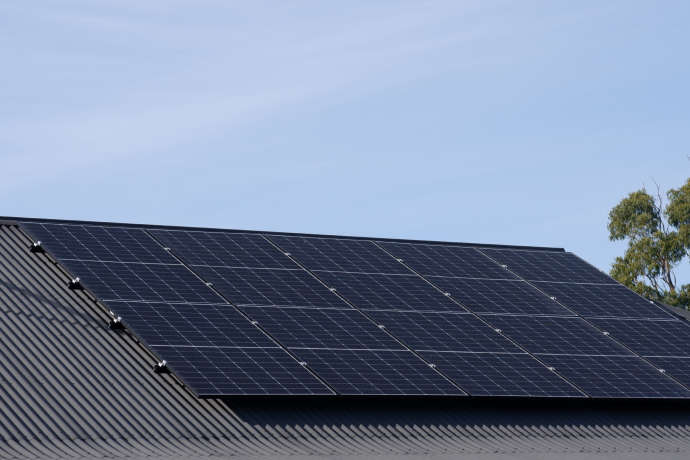
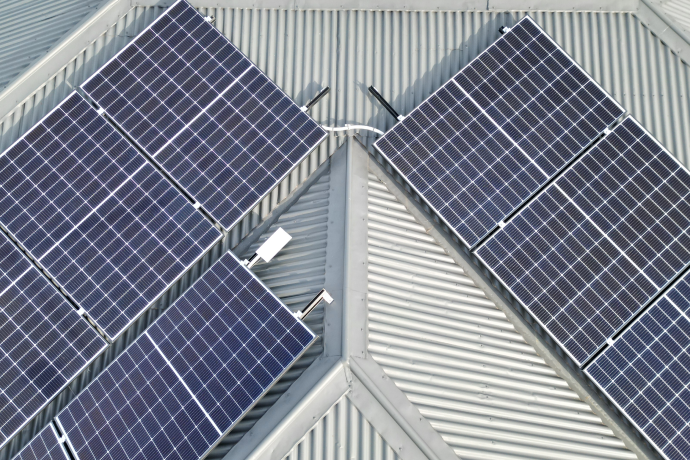
Rooftop solar panels are the most widely used in residential properties as they are installed directly on the roof of the home. They are attached to the roof trusses or rafters using mounting rails and tend to sit flush or slightly raised above the roof. This type of panel is popular because it uses existing space and requires minimal land unlike ground mounted solar panels. Rooftop mounted solar panels are the most cost effective and practical option.
Comparing Rooftop and Ground Mounted Solar
Cost Difference
Ground mounted solar panels are usually more expensive than rooftop, often costing about 10 to 20% more. Rooftop solar systems tend to be more affordable as they use existing structures, require fewer materials, and installation tends to be simpler. Ground mounted solar panels require more complex and time consuming installation as the ground needs to be prepared and excavated for concrete footings. Rooftop solar panels cost approximately $1.00 per watt while ground mounted solar is twice the amount at about $2.00 per watt. Sometimes on ground mounted systems, solar tracking is added which increases costs.
Permitting Considerations
Ground mounted solar panels may require different and more stringent permits than rooftop panels. They are considered a new and separate structure rather than an addition to the home so may be subjected to zoning, building and planning regulations. Before ground mounted solar is installed, it needs site specific testing to assess the soil stability and viability for running electrical conduit under the ground to connect panels to the home.
Durability and Maintenance
Rooftop solar panels may be harder to clean than ground mounted ones that are easier to access. Both types are durable and designed to withstand extreme weather but ground mounted can be susceptible to livestock or wildlife interference. While both types of panels require maintenance for optimal performance, ground mounted panels tend to need more regular inspections for long term performance.
Aesthetics and Space Considerations
Rooftop solar is more discreet than ground mounted panels. They have a streamlined look that fits in with the roof surface. Ground mounted panels are more intrusive and not ideal for small properties but can be ideal if you have unused land you don’t mind dedicating to solar.
Efficiency and Performance
In ideal conditions, both rooftop and ground mounted solar panels can produce the same amount of energy. However in the real world circumstances there are key differences. Because ground mounted solar panels have the flexibility for better panel orientation and angling, they are capable of more energy production than rooftop solar panels. They are also a better option for shaded or unsuitable roofs.
Bifacial panel potential
Bifacial solar panels generate electricity from both sides of the panel. They are designed with transparent materials, usually glass on the front and black which allows them to capture light from the sun directly as well as sunlight reflecting off the ground or surrounding surfaces. Bifacial panels can be ground mounted and will add an additional 20% efficiency compared to monofacial panels. They can be installed on rooftops but it is a more complex proposition and is best suited to ground mounting.
Pros and Cons of Ground Mounted Solar Panels vs Roof
Both ground mounted and rooftop solar panels have their pros and cons. Ground mounted solar panels tend to be more efficient but they are also more expensive and need space for installation. The pros and cons of both types of solar panels systems means some are more suitable than others in certain situations. Our table compares the pros and cons of each.
| Panel Type | Ground Mounted Solar Panels | Rooftop Solar Panels |
| Pros |
|
|
| Cons |
|
|
Why Ground Mount Solar Panels?
Ground mounted solar panels are ideal in certain circumstances where the roof is heavily shaded or when a property has vacant land or paddocks. They are an excellent option for property owners who want to maximise solar performance and energy generation. These systems that are installed on frames fixed directly into the ground are generally used on rural, semi-rural or large residential blocks where space is not limited.
One of the biggest advantages of ground mounted solar panels is the ability for optimal positioning. They are not restricted by roof orientation and so can be positioned in the best place to capture maximum sunlight. Panels can easily be angled at true north which is the ideal orientation for maximum sun exposure throughout the year. The size of the system is only limited by the amount of available space compared to a roof which has significantly less room per square metre for panels. Panels on the ground are easy to clean and maintain which increases panel performance. While they are more expensive than traditional rooftop solar panels, ground mounted panels have long performance gains with higher efficiency.
Why Roof Solar Panels?
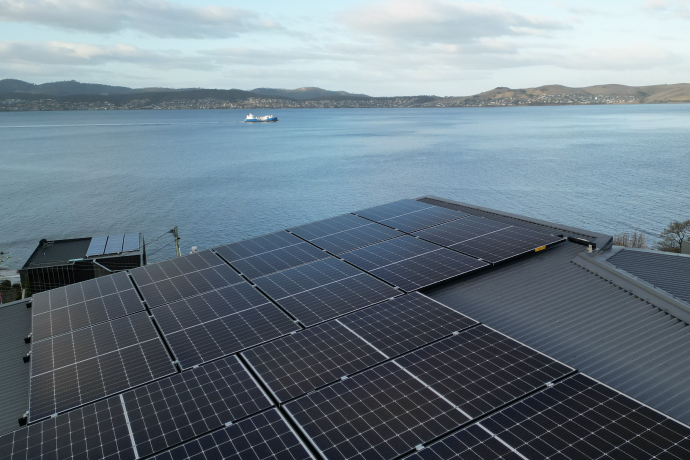
Rooftop solar panels are the most popular solar solution for residential homes as they offer a practical and cost effective way to generate electricity. They are mounted directly on the roof and well suited to the urban environment where space is limited. Homeowners choose rooftop solar panels because it has a lower installation cost as the home already has a mounting structure, fewer materials are used and less ground work is required compared to ground mounted systems. Rooftop solar is more affordable than ground mounted panels and allows customers to see a return on the investment through reduced power bills.
Rooftop panels make use of otherwise unused space by turning the roof into a power generation area where homeowners can produce clean energy without impacting their property’s garden or outdoor living areas. This makes them ideal for small properties or those without a large outdoor area. While its performance can be influenced by roof orientation, shading and pitch, an installer will carefully design the right type of solar system to deliver excellent results and the most efficient system. Modern rooftop systems are designed to be durable and visually discreet with sleek designs and low profile mounting to blend in with the home’s appearance. The addition of rooftop solar panels also increases a home’s property value and makes it more appealing to buyers.
Rooftop solar panels cannot be positioned as flexibly as ground mounted panels as their positioning relies on the type of roof and its angle. While this means they do not produce as much energy as their ground mounted counterparts, they are still an excellent source of renewable energy that offers the opportunity for homeowners to live off grid or simply reduce on buying electricity from outside sources. These types of solar panels are a space-efficient and affordable way to create electricity for the home without the use of dangerous fossil fuels. Customers choose rooftop solar panels as they are a widely accessible solution for reducing electricity cost and helping the environment without any major property or landscape modifications.
Ground mounted and rooftop solar panels are reliable ways to create renewable energy from sunlight. The right choice depends on the property, energy needs and long term goals. Both types of systems have advantages and disadvantages and understanding the difference is the best way to choose the right system. Ground mounted systems are ideal for those with a large property or large scale projects but not practical for most suburban homes. Rooftop solar panels, on the other hand, provide an accessible solution for homeowners who want a straightforward solution to their energy needs without changing their landscaping. To find out how to install rooftop solar panels, contact the team at Tasmania Safer Solar.

 1300 655 808