


Bifacial solar panels are a popular choice for Australian homes with advanced technology that improves solar efficiency. They are not like standard solar panels as they capture sunlight from both sides. When considering installing solar panels, it is important to understand what bifacial panels are, their benefits and specific requirements to see if they are the right choice for your purposes.
What are Bifacial Solar Panels?

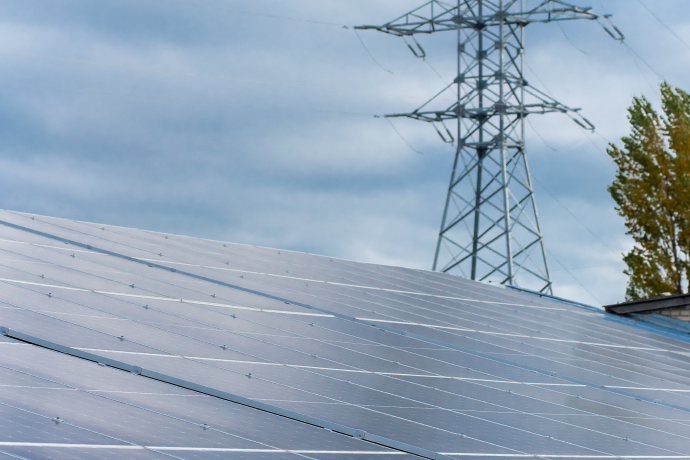
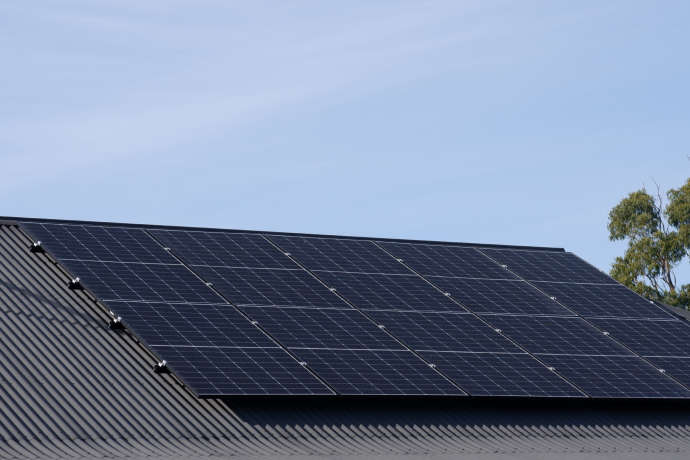
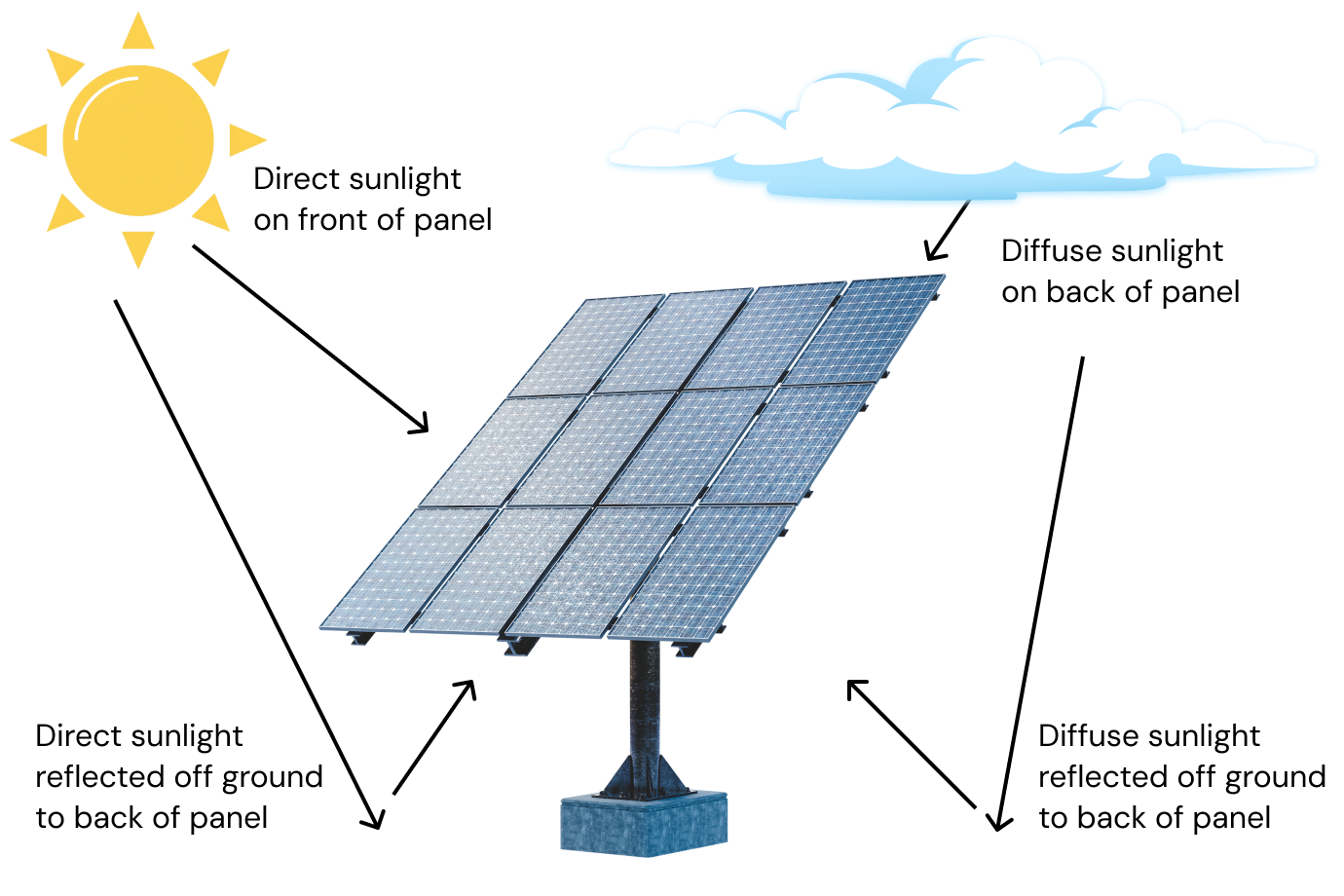
Bifacial solar panels use photovoltaic cells to create electricity from both sides of the panel. They are designed with transparent materials, usually glass on the front and back which allows them to capture light from the sun directly as well as sunlight reflecting off the ground or surrounding surfaces. Most bifacial solar panels use monocrystalline silicon cells which are known for their high efficiency and durability. These cells are often sandwiched between two layers of tempered glass which improves longevity. Bifacial solar panels can be installed on the rooftop in certain circumstances or ground mounted. They can use the energy from the sun both from direct sunlight and albedo light (sunlight reflected off surrounding surfaces). The concept of bifacial solar panel technology is not new as it was developed in the 1960s. However, it only broke into the mainstream market in the 2010s.
How do Bifacial Solar Panels Work?
Bifacial solar panels work by converting sunlight into electricity through photovoltaic cells but from both sides. Like traditional solar panels, the sunshine strikes the silicon cells, excites the electrons and generates electrical current. The main difference is how much light the cells can capture and how much electricity the panels can generate. This additional energy generation from the underside is known as bifacial gain.
Bifacial Solar Panel Efficiency
When we talk about solar panel efficiency, it covers two categories – cell efficiency and solar system efficiency. The cell efficiency is the individual cell’s ability to convert sunlight into electricity while the system efficiency is the whole panel’s output including bifacial gain from the rear side. The single cell efficiency will be the same in each solar set up. However, the total system efficiency is significantly different. Bifacial solar panels typically have a much higher efficiency than traditional solar panels as they convert more energy from the same area using harvested light. Bifacial solar panels can be from 10% to 30% more efficient than monofacial solar panels in the right circumstances. Bifacial and monofacial solar panels usually have similar front side efficiency. However, the bifacial energy gain from the rear side panel boosts total output by an average 5% to 15% and up to 30% in highly reflective areas.
Factors Affecting Bifacial Solar Panel Performance
When looking into solar panel performance there are a few factors that influence a bifacial solar panel efficiency. These include:
- The amount of reflection: Bifacial panels with high reflection will perform better than those in low reflective situations. When sunlight hits the ground, some is reflected and some is absorbed. Albedo is the ratio of reflected light to total incoming light. The type of surfaces like snow, white concrete or gravel, sand or light soil dramatically increase rear side energy generation and increase albedo. This is the single biggest factor to impact efficiency. Lighter more reflective surfaces yield the most energy. Snow is like a natural mirror with high reflectivity of 65% to over 80% which significantly boosts rear side energy capture. In a similar way but to a lesser extent, white concrete has reflective properties.
- Optimal installation angles and heights: By increasing the tilt angle, the rear side panel can have greater access to sun exposure. Increasing the panel height can help maximise the collection of scattered sunlight. Proper planning and correct installation is essential to make sure the solar panels are able to capture the best direct and reflected sunlight.
- Space between rows: Adequate spacing will reduce shading and allow the reflected sunlight to reach the back of the panels, particularly in ground mounted systems. As row spacing increases, the amount of reflected ground light (albedo) reaching the back of the panels increases. This extra spacing also improves air flow through the panels which enhances passive cooling and reduced operating temperatures for higher efficiency.
- Tracking systems: A solar tracking system can help solar panel performance by increasing how much usable light reaches the front and back of the panel. Using tracking systems can improve solar panel performance as the panels are adjusted to capture optimum sunlight.
Pros and Cons of Bifacial Solar Panels
Bifacial solar panels are more energy efficient and better at converting lower amounts of sunlight. They are, however, dependent on a specific environment for maximum efficiency. In practical situations, bifacial solar panels have both benefits and drawbacks.
Benefits of Bifacial Solar Panels
- More efficient at capturing sunlight: Bifacial solar panels capture sunlight from both sides of the panel which makes them more efficient than traditional panels.
- Increased power output: By capturing sunlight and converting it into electricity from the front and rear panels, bifacial panels have an increased power output. On average, bifacial solar panels have a 30% increase in energy production compared to monofacial.
- Enhanced strength and durability: Bifacial solar panels are built to last with sturdy frames and robust materials. Traditional solar panels have a thicker glass sheet on the front but bifacial technology uses dual glass construction with the solar cells sandwiched between two layers of thinner sheets of glass. This configuration means bifacial panels are stronger and have the capability to withstand harsh weather conditions including snow and high winds. The durability of this type of panel means less frequent repairs or replacement.
- Excellent for cloudy days and low light: When light is low or there are cloudy days, bifacial solar panels are the most energy efficient compared to standard solar panels as they have the ability to convert electricity from indirect sunlight.
Disadvantages of Bifacial Solar Panels
- Increased cost: Typically, bifacial panels will cost about 10% to 20% more than monofacial panels due to their dual glass construction and complicated production process. They are also more expensive to install.
- Twice the maintenance work: Glass on both sides means more cleaning as the front and rear side can be susceptible to dust and debris which inhibits sunlight connecting with the solar cells.
- Installation difficulties: As bifacial solar panels are heavier than standard, they can be more difficult to install. Installers need to consider the extra weight that can put stress on rooftops. They also need to take into account rear side exposure during installation which can make the setup more difficult.
- Installation needs a reflective surface: Bifacial solar panels need a reflective surface to be efficient. If installed on asphalt or dark roofs, the rear side will absorb much less light and reduce any efficiency gains.
- May violate building codes: In some areas, home or business owners need special permission to install solar panels that protrude from the roof more than 20cms. Check with local authorities if any building codes would be violated by installing bifacial solar panels on the roof.
- Susceptible to hail damage: The double glass surface makes them more prone to damage during extreme weather, particularly from hail. In 2025, results from PV Evolutions Labs solar panel testing showed that bifacial solar panels with two 2mm panels of glass on either side were more likely to break during a hail storm.
Cost of Bifacial Solar Panels
In Australia, bifacial solar panels usually cost about $1.80 per watt which is 10 to 20% more than monofacial panels depending on the quality and type. Bifacial solar panels are more expensive because they have two sheets of glass rather than one in a traditional panel. The cost of installing bifacial solar panels varies depending on the size of the system. A traditional 6.6kW system usually costs between $5,000 and $9,000. For bifacial panels the cost will be around $11,000. Because installation is more complex, a 6.6kW system will cost on average $870 more to install.
When would Bifacial Solar Panels be Worth it?
Bifacial solar panels can be more efficient given the right circumstances. In certain cases, the extra cost for them would be worth it with the extra energy production and long term savings. Bifacial solar panels are a good choice in these situations.
- Residential solar installations: Bifacial solar panels are ideal for residential purposes when the home has reflective surfaces. If the roof is white or light coloured, driveways are light pebble or they have a large, open backyard. They also perform well in various weather conditions, including low levels of sunlight. With the right circumstances, homeowners can save thousands of dollars in energy costs by choosing bifacial panels.
- Commercial and industrial use: With the larger areas for installation, bifacial solar panels are ideal for commercial and industrial sectors. They can be installed on rooftops of factories or warehouses and maximise the use of available sunlight to generate electricity. The higher energy output makes them ideal for large scale projects where energy demand may be high.
- Off grid and remote locations: Bifacial panels produce more energy than standard panels and are adaptable to various terrains making them an excellent choice for self reliant energy solutions in off grid or remote places.
Bifacial solar panels are part of the ongoing evolution of photovoltaic technology and can be ideal for certain applications. Like all solar systems they have pros and cons. When considering what type of solar panel system you want to install, contact the team at Tasmania Safer Solar who can help find the right choice for you.

 1300 655 808