

With electricity prices soaring, more Tasmanians than ever are choosing to install solar panels. Although to ensure you get the most out of your solar system, it’s important to consider how you use your energy at home.
Because solar panels in Tasmania typically generate the most electricity between 9 am and 2 pm, we recommend shifting as much of your energy use to this time.
Furthermore, you can also add new equipment to better utilise your solar energy. These can include a solar battery, energy-efficient appliances and switching from gas to electricity.
All of these tips are focused on maximising the amount of energy you generate, and reducing the electricity your home buys from the grid.
Smart Ways to Use Solar Energy in Your Home
When Is the Best Time to Use Solar Energy?
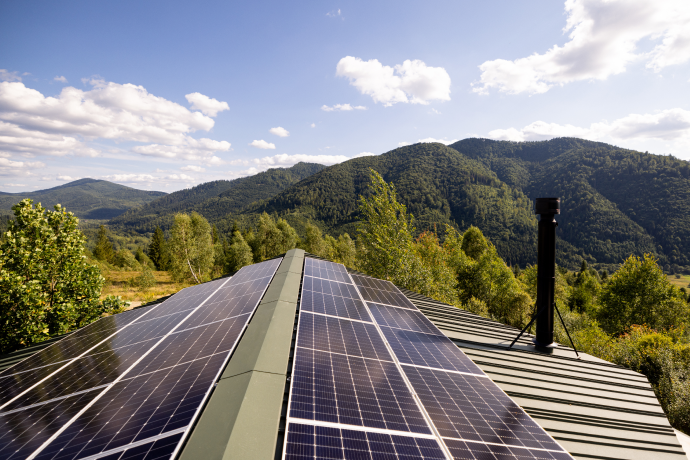
Understanding the peak production time for solar energy will be crucial to getting the most out of your solar system. For most homeowners, the best time to use solar energy will be during the middle of the day, between 9 am and 3 pm, when the available sunlight is at its most intense.
Although, this peak production time can vary slightly depending on the orientation of your panels and the time of year.
- North-facing panels
The majority of solar panels in Tasmania will capture the most sunlight when facing north. This is because Australia is in the Southern Hemisphere and experiences a sun that is mostly directed from the north. North-facing panels will produce the most between 9 am and 2 pm. - East-facing panels
East-facing panels produce approximately 15% less energy than north-facing panels. They generate their maximum energy during the morning, with their production dropping off in the afternoon. - West-facing panels
Like east-facing panels, west-facing panels will produce around 15% less electricity than north-facing panels. However, they generate the most amount of energy in late afternoon, reaching their peak production time between 2 pm and 5 pm. - Summer
Summer is when solar is at its peak production, with longer days and more intense sunlight. In Tasmania, you can expect around 15 hours of sunlight during the peak summer months. - Winter
In Tasmania, the amount of sunlight hours drops to around 9 hours. This drop in sunlight means a decrease in energy production, with studies estimating that winter months experience an 80% drop compared to summer.

Using Solar Power at the Right Time
Now that we’re aware of the best time to use solar energy, you can start to alter the ways in which you use solar at home to maximise savings.
- Shifting your energy use to daylight
One of the best ways to get the most out of your solar energy is to make sure you’re using as much electricity as you can during the day. As established, your solar system produces the most energy between 9 am and 3 pm for north-facing panels. Therefore, we recommend shifting any energy-intensive tasks to daytime, to make the most of the sunlight available. - Run appliances, such as washing machines and dishwashers, during the day
Some appliances, such as washing machines, dishwashers and vacuum cleaners, can consume a significant amount of energy. By making sure you operate these appliances as much as possible during the day, this helps your home use more solar energy directly, to stop you relying on the grid. - Cool or heat the house during the day when solar production is highest
Another great way to use your solar energy is to operate your heating and cooling during daylight hours. Particularly during summer, we recommend running your air conditioner through the early afternoon when energy production is high. Some advanced air conditioners may even be programmable to only operate during peak hours. Also consider turning your heating and cooling appliances off when you go to sleep. - Use timers for high-wattage appliances
Because many of us can’t be at home during daylight hours, check to see if certain appliances have timers. These are more common in modern appliances, and may be built into the device or sold separately. A timer can allow you to use your dishwashers, air conditioners and other appliances when you’re not at home during the day. Timers can also allow you to stagger different appliances, one after another, to avoid a massive drain on your solar system all at once. - Export excess solar electricity back to the grid
If you’re using a lower amount of energy than your solar system is generating, you can send this surplus energy to the grid to earn credits. These are known as feed-in tariffs (FiTs) and are usually applied to your next electricity bill. Different states have different FiT rates, with Tasmania at 8.935 cents per kWh exported. Particularly for households that consume a low amount of electricity, this can be a great way to help maximise the return on your generated energy.
Add Equipment to Maximise Solar Benefits
Adding new equipment and energy-efficient appliances can further help you maximise your generated solar. These include the following:
- Solar battery
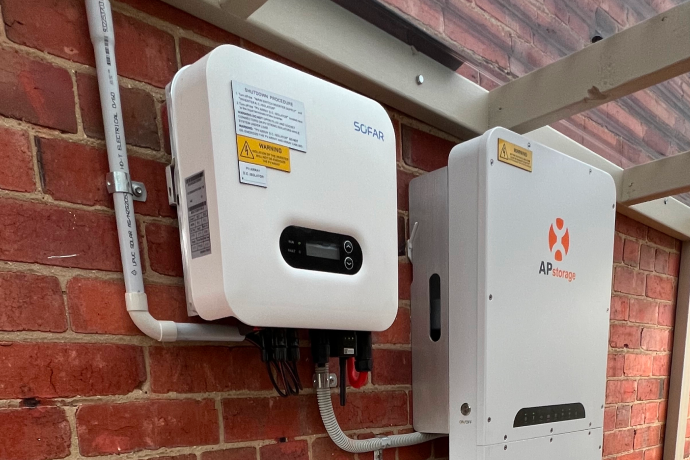
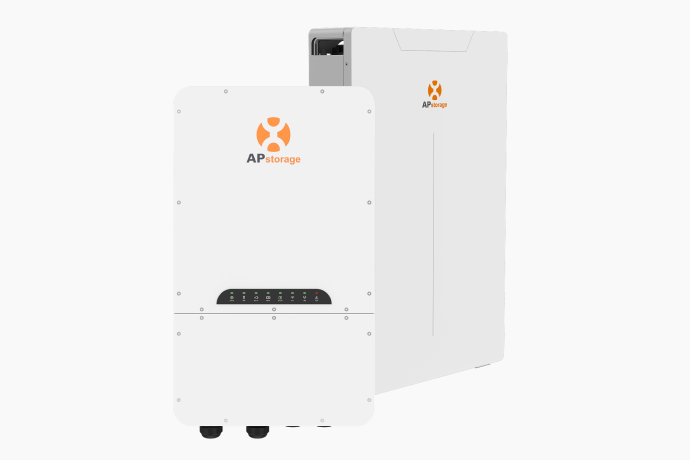
Adding a solar battery is becoming increasingly popular for homeowners looking to increase the amount of solar energy they consume. With a battery, any excess solar energy your panels generate can be stored for later use. This means when the sun goes down, or during cloudy days, you can still use the solar energy that’s stored in your battery to continue powering your home. Solar batteries can also put you one step closer to moving completely off the electricity grid and reaching 100% self-sufficiency. For more information on going off-grid, check out our article here, or contact the experts at Tasmanian Safer Solar (TSS). - Consider energy-efficient upgrades
You should also consider making simple changes to your home to improve your energy efficiency. This ensures you get the maximum return from your solar system and use your energy more effectively. You could consider replacing your current appliances with energy-efficient models that aim to use less electricity to perform the same tasks. For example, you could use LED lights instead of traditional light bulbs, as they consume less power while maintaining the same functionality. Check an appliance’s energy rating label to ensure you’re maximising efficiency. You could also add insulation to your home to reduce the need for heating and cooling, such as blinds or double-glazed windows. - Electrification
A home that utilises as much efficient electrical energy as possible can maximise its solar system and reduce its reliance on the grid. We recommend considering the different parts of your home and how you can make the transition to electric. For example, moving from a gas-water system to an all-electric system can save you thousands. Because heating water can account for 20% of your total energy usage, installing an electric system that uses high-efficiency pumps powered by your solar panels can significantly reduce your energy bills. - Add an EV charger for electric vehicles
Solar can also be used as an alternative to fuel for an electric vehicle (EV). Particularly with fuel prices skyrocketing, purchasing an EV gives you another opportunity to take advantage of your solar energy. We recommend charging your EV during the day to make the most of your peak solar hours. Some EV chargers might even come with programmable timers that allow you to set a specific charging time during the day. Contact your local installer, or the team at TSS, for more information on how to add an EV charger to your solar system.
Maintain Peak Solar Performance
To ensure everything is still performing as expected, we recommend the following tips for maintaining peak solar production:
- Monitor your solar usage
By actively monitoring your solar system, you can get a better understanding of your energy output and recognise any performance issues before they get worse. Modern technology has made monitoring much easier, with solar inverters constructed with built-in monitoring and internet connectivity. This means homeowners can check their solar usage in real-time via a smartphone app, that can even show them what time their system is producing the most energy. This data can be essential to adjusting your energy consumption patterns to times of peak solar generation. - Maintenance for longevity and performance
To avoid any costly repairs or replacements, it’s essential to carry out regular maintenance checks on your solar system’s components. Ensure you contact your local installer, who can run a full inspection on your system and carry out any electrical tests to find any issues. Regardless of how well your system is performing, maintenance checks should be carried out at least - Regular cleaning
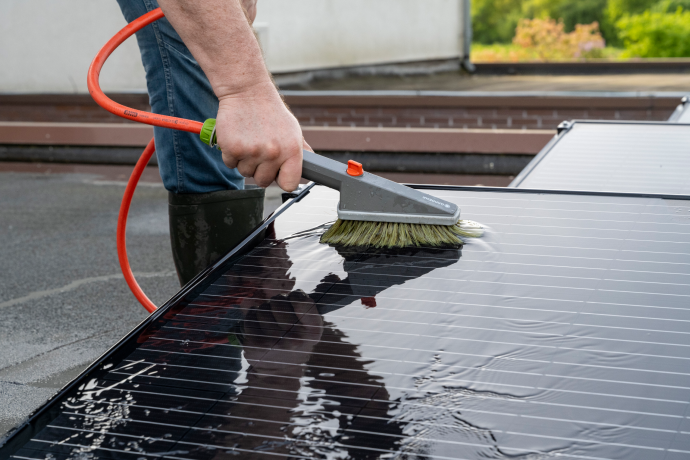
Dirt, dust and debris can slowly accumulate on your panels that block out sunlight. This can diminish their performance levels and reduce the amount of energy you generate. Inspect your panels for any physical signs of dust and debris, or monitor their performance for any dips. Although rainfall should keep your rooftop panels clean, we still recommend giving them a hose down at least once a year. If a significant amount of debris has accumulated, contact your local installer for a professional clean. - Clear away trees that impact solar production
Trees, or nearby buildings, can cast shadows on your panels that block out sunlight. Even a small amount of shade can negatively impact the energy production of your solar system. We recommend positioning your panels away from any potential shade to maximise the available sunlight. If trees are casting shadows, try trimming down their branches or cutting them down completely.
By getting the most out of your energy, you can maximise your savings and spend less money on electricity from the grid. By switching your peak appliance use to the daytime, and switching from gas to electrical appliances, you can ensure your solar energy is used in the best possible way. For more tips on the best way to use solar at home, please reach out to the experts at Tasmanian Safer Solar (TSS).

 1300 655 808