



Adding solar panels to your home can be an overwhelming process for any homeowner. To ensure you make the right decisions at each step for a smoother installation, our guide unpacks some of the key questions to ask.
Firstly, it’s important to ensure your solar installer is both knowledgeable and certified. Questions should focus on confirming their ability to successfully deliver an installation, ensuring they hold all the necessary licences, and post-installation support.
We have also included questions around cost, to help you fully understand any rebates, savings, and feed-in tariffs related to your solar panels. Finally, it’s important to inquire about the installation of your panels, and how to find the solar system for you.
Questions for the Solar Installation Company

1) Are you fully licensed, insured and certified?
By ensuring a solar installer is fully licensed, insured and certified, this gives you the confidence your system will be installed safely and in accordance with set industry standards. Accreditation and certification with the Clean Energy Council (CEC) is a big one and should be a major factor to double-check, as this is a mandatory requirement for all installers in Australia.
2) How long have you been in business under this name?
The recent boom in solar installations means more businesses are springing up hoping to offer solar panels. Although this demand is generally a good thing for homeowners, it does mean you may need to be extra careful in choosing the right installer with more inexperienced businesses.
Ask a solar business how long they’ve been in operation under their current name. Many businesses may choose to rebrand themselves or alter their identity to escape a bad reputation, with long-standing businesses generally a positive sign. We recommend choosing a solar business with at least three or more years experience.
3) Can you provide references from customers in my area?
If a solar installer has a referral system, in which customers can provide references to the quality of their installation, this is always a good sign they are experienced in delivering a good experience.
Customers are always the best advocates to the quality of a company, so ask your installer if they can provide you with any references for your area. If they can’t, or simply refer you to generic reviews online, this may be a sign that they don’t prioritise the customer experience.
4) What permits and approvals are required, and who is responsible for obtaining them?
Solar installation requires a significant amount of paperwork and approvals, including council permits, utility connection and rebate applications. It’s standard industry practice for a solar installer to handle these approvals, as this ensures the process is smoothed out for the homeowner, and for proper compliance with any regulations.
For clarification, ask your installer who is responsible for these steps. If they attempt to put any onus on you for organising this paperwork, this could indicate a potential issue.
5) Do you use in-house installers or sub-contractors?
If you are speaking directly with a sales representative, it may not be the same business that performs the installation. Some solar businesses have teams that are trained and worked exclusively for them. While others may hire sub-contractors who work for different businesses.
Just because a business uses sub-contractors this doesn’t necessarily mean their installations will be of lesser quality. It’s just important that you still double-check they are accredited and certified by the CEC. Although if possible, we recommend using business with in-house installers, as these are more likely to offer an accountable, high-quality service.
6) What brand and type of panels are you installing?
This is one the most common questions solar installers will be asked. You will want to make sure the equipment being installed is from reputable brands, with strong warranties. There are also considerable differences between the various types of solar panels, as you’ll want to ensure your installer is using high-efficiency monocrystalline panels. For example, our team at Tasmanian Safer Solar (TSS) only chooses panels from quality manufacturers, such as LONGi and JinkoSolar. Try to avoid any installers who offer their own “self-branded” panels, without an established manufacturer.
7) What warranty guidelines do you offer?
An authorised solar installer must provide clear information about any warranties. You will likely have multiple warranties corresponding to each component of your solar system. For example, solar panels must have at least 10 years, with a 25 year performance guarantee. A reputable solar installer should also provide an installation warranty, meaning they help cover any potential problem with the installation.
Make sure you talk to your installer about what your warranties cover and how long the coverage periods are. If an installer gives details that sound vague, or take shortcuts around their warranty, they should be avoided.
8) What happens after installation? How do I contact customer support
Unfortunately, many solar installers might only be interested in adding solar panels, and are unwilling to provide any long-term support.
Post-installation care is critical to ensuring your solar system continues working correctly, with maintenance checks, troubleshooting and cleaning.
Ask your installer about their post-installation support, and ensure they can still help you after your equipment has been installed. This also shows dedication from the installer to always supporting their customers.
Questions About Cost, Savings, and Rebates
9) What is the total cost of the system? How did you determine this figure?
You can’t make an educated decision about installing solar panels without understanding the total cost. This should be one of the major questions to ask your installer or retailer, helping you to fully understand the cost and identify any hidden fees.
Although solar system costs can vary heavily depending on your location, your installer should be able to accurately break down what is included in your final price. Inclusions will typically include costs around hardware, inverters, permits, labour and any installation costs. If they give a price and they can’t go in depth on how they arrived at this figure, this should be treated as a strong red flag.
10) What rebates do I qualify for? And have they been fully applied
To get the maximum return on your investment, it’s important to ask your installer about your eligibility for any rebates or financial incentives. Within Tasmania, residents can access the Small-Scale Technology Certificates (STCs) program, which gives eligible households an upfront discount on the cost of their solar panels. Typically your solar installer should be able to handle the entire rebate process for you, to ensure you meet any criteria.
11) Is financing right for me and what options are available?
Not every household can finance solar panels upfront, with different financing options available for support. Ask your solar installer or retailer for advice on the different loans and payment plans available.
A reputable solar business should understand the financial situations of different households, and offer a solution that best fits their needs. Try to avoid businesses that advocate for a particular option that’s outside your comfort zone. You should always get a second opinion from your bank or financial advisor, especially when comparing interest-rates and repayment terms.
12) How do I track my solar panel performance?
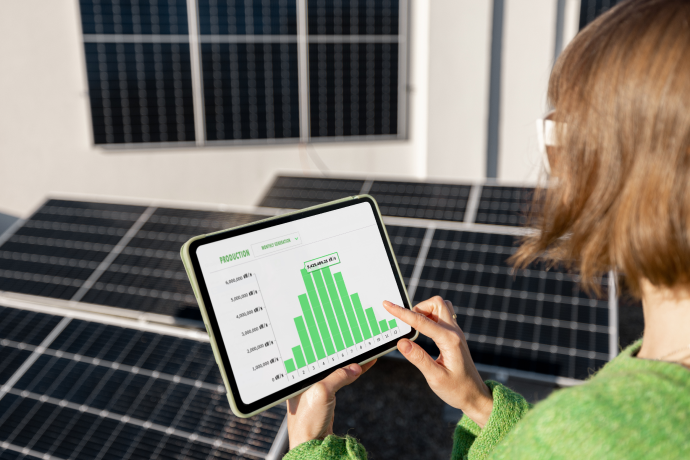
Modern technology allows homeowners to monitor their solar system’s performance in real-time. Components can be installed with smart components included, that can report performance levels to an app.
Ask your installer about any monitoring software, and how to use it. This is important to double-check as monitoring can help you identify any performance issues before they get worse.
13) How much will solar save me? And how long will my solar system take to pay for itself?
Especially when debating the cost of solar panels, many homeowners will want to know how long it’ll take for their investment to be paid back in savings.
Because you’re using less bought electricity from the grid, and more free energy from the sun, your solar panels will save you money. Reputable installers should be able to forecast your savings, and calculate an approximate break-even point when your system has paid for itself. This calculation should factor in the initial costs, with government rebates and your own consumption habits.
Solar systems without a battery, should have an average payback period of between 5 and 7 years. We recommend asking your installer how they determined your own payback period, and visit online ROI calculators for extra reassurance.
Questions About Installation & Choosing the Right System
14) What determines if my roof is suitable for solar panels?
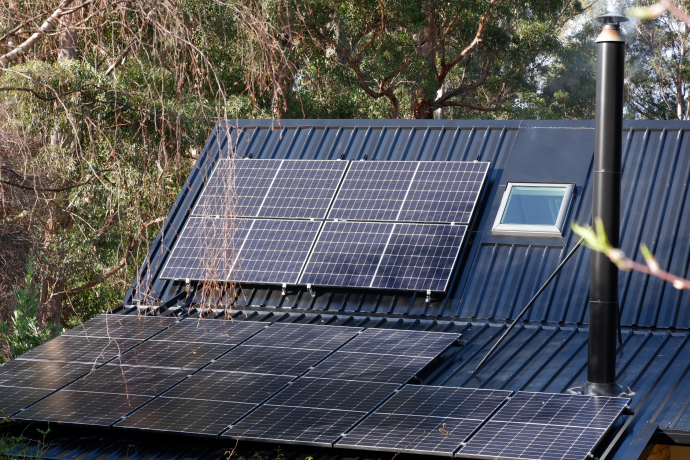
You’ll want an installer who is prepared to consider all the different elements of your roof, to determine whether your home is actually suitable. The condition of your roof, and orientation should be two of the most important factors. The right orientation guarantees your panels get the most sunlight possible, while an assessment of your roof’s condition helps to identify any potential repairs or structural issues.
Make sure to ask your installer if your roof is suitable, and the key factors they considered. If your installer claims that practically any roof can work, and ignores a proper inspection, this should be cause for concern.
15) How did you determine the optimal system size?
Sizing a solar system can be a complex process, that can be a lot more complicated than simply looking at your monthly energy bill. Your solar installer will need to design a system that’s big enough to cover your electricity usage, while still sitting within your budget.
Ask your solar installer about what size they recommend, and their process for determining this figure. Good quality installers should consider your energy bills, consumption, budget as well as the physical space on your property.
If a solar installer is pushing a certain size and claiming it’s just a simple calculation without assessing the major factors, they should be avoided. The team at TSS can walk you through the sizing process, helping you fully understand how we calculated the perfect size solar system for you.
16) What’s your timeline for installation?
It’s always a smart idea to ask your installer for a rough estimate on the project timeline. This should include information on when work will begin, and how long it will take for installation to be completed and your solar system is operational.
This timeline can vary widely depending on your property and the type of installation. A reputable installer should understand how different factors can affect their timeline, taking into account any backlogs, delays or the complexity of the job.
This is important for setting reasonable expectations, and to help you better prepare your home for solar.
17) Can I upgrade the system in the future?
If you’re thinking about upgrading your system in the future, always keep this mind and discuss these plans with your installer. This is important because it can allow them to design a solar system with the future in mind. They can leave space for extra panels or components that will allow you to more seamlessly add size to your system. A reputable installer should be able to determine the feasibility of future expansion, and design a system that suits your goals.
These questions should help you feel confident for all stages of your solar panel installation. From the initial queries with your solar installer, to the physical installation itself, asking questions at every stage can ensure a smoother process. For more information on how to add solar panels to your home, please reach out to the experts at Tasmanian Safer Solar (TSS).

 1300 655 808