


Solar panels are a great way to save money and help the environment. They are designed to be reliable, low maintenance and long lasting. However, sometimes problems may occur over their long 25 year lifespan. Understanding solar panel problems, how to spot them and how to fix them can help protect your solar investment and keep it running at maximum efficiency.
Signs a Solar System May be Underperforming

Solar systems are extremely efficient at creating electricity to be used in the home, saving you money and helping the environment. Typically, they run quietly and efficiently in the background and require little attention once they are installed. A solar system will often have no obvious errors but may start producing less electricity which will become evident in higher electricity bills. Being aware of the early signs that your solar system is not performing to its full capacity is important to protect your investment and reap the benefits of solar power. Signs a solar system may be underperforming are:
- Higher energy bills: One of the first signs of an underperforming solar system is an increase in electricity bills. If your energy usage hasn’t changed but the costs are rising, the solar system may not be generating as much power as it used to. Often the energy bills slowly increase which makes it harder to detect immediately. If you compare your electricity bills from one year to the next, taking into account price rises and tariff changes, you will likely see a difference.
- Less energy production: Many solar systems come with a monitoring app or online portal where you can track daily and monthly energy output. If you notice a steady decline in energy production that does not coincide with cloudy weather or seasonal changes, it is a sign that something is not right.
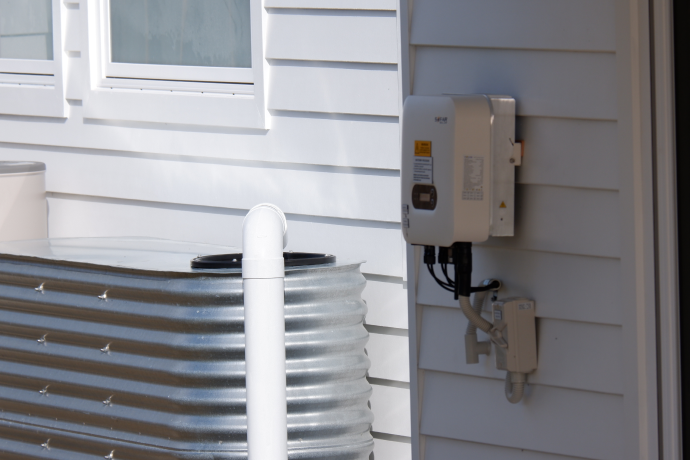
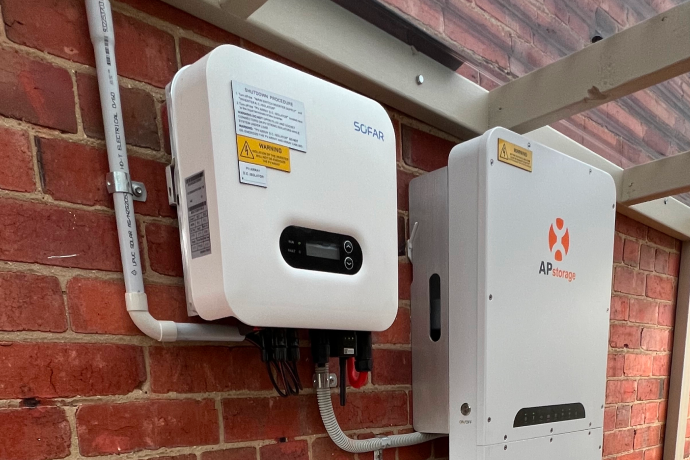
- Inverter warning lights and errors: The inverter is the heart of the solar system, converting the direct (DC) energy from the solar panels to usable alternating current (AC) electricity to be used in the home. If the inverter keeps switching off or restarting it may be a sign it is overheating or developing an internal fault. When warning lights appear on the inverter, it is a sign of potential lost solar production.
- Software alerts: Modern solar monitoring platforms send automatic alerts when something is not working properly. This may include warnings about low production, panel or string faults, or grid voltage issues. These alerts are important as they help detect problems early and avoid long term damage.
- Dirt and debris: Any debris on the solar panels reduces the amount of sunlight connecting to the solar cells and will inhibit energy production. This is particularly common in rural areas where trees can drop leaves and twigs or there is more likelihood of dust and dirt buildup.
- Visible damage: When solar panels are visibly damaged such as having cracked glass, discolouration or burn marks, it stops the solar panels from being as efficient at converting sunlight into electricity. Cracked glass may occur from fallen tree branches or tools dropped during roof work. It can allow moisture into the solar panel which may corrode internal components. Discolouration or burn marks on the panel can indicate internal cell damage or hot spots when parts of the panel overheat. These areas also produce electricity.
- One section of panels producing less: Solar panels work independently to produce electricity even though they are part of one unit. To identify if one section of panels is producing less electricity, use monitoring software that displays production at the panel or string level. Look for drops in electricity production or physical signs of issues with particular panels.
17 Solar Panel Problems and Solutions
Over time there are various issues that can cause problems with the efficiency, performance and lifespan of solar panels. Most solar panel problems are straightforward and can be fixed when identified early. The following are the most common problems and how they are typically resolved.
1. Weather issues
Heavy rain, snow, hail or strong winds can sometimes cause solar panel problems. Rain and snow can leave behind dirt and mineral deposits while strong winds may loosen the mounting system.
Solution:
- Regular inspections of mounts and wiring to ensure mounting is secure.
- Clean panels when needed to remove any dirt and debris.
- Visual inspection after storms to ensure hail has not done any physical damage to the solar panel.
2. Inverter problems
If the inverter overheats or shuts down because of grid overvoltage, it causes solar panel problems. The inverter is the device that converts the DC energy to AC needed to be used for appliances and lights in the home.
Solution:
- For overheating, ensure proper ventilation, remove any objects blocking air flow and clear dust from the fans or heat sinks.
- In the case of grid overvoltage, check if the grid is down. If not, inspect the AC isolate switch and circuit breaker for any faults.
3. Debris build up
Debris from dust, leaves or pollution can build up on the solar panels which blocks sunlight from reaching the photovoltaic cells.
Solution:
- Professional cleaning once a year and safe rinsing when possible. Trim overhanging trees to avoid leaf damage.
4. Hot spots
Areas of the solar panel that overheat can lead to hot spots which reduces energy output and can potentially cause long term damage if not addressed. Hot spots often occur when the cell is dirty, damaged, cracked, or shaded.
Solution:
- Remove shading or debris like leaves, antennas or vents casting shadows.
- Inspect for cracked cells or microcracks that might be causing the hot spots.
- Keep the panels clean and schedule periodic inspections.
- Use optimisers or microinverters in partially shaded areas.
5. Microcracks
Tiny cracks in the solar cells can be caused by installation stress, transportation or weather. Microcracks will worsen over time if not fixed.
Solution:
- Thermal imaging by a solar professional needs to be used to identify any microcracks.
- Panel replacement will be required if performance drops.
6. Animal interference
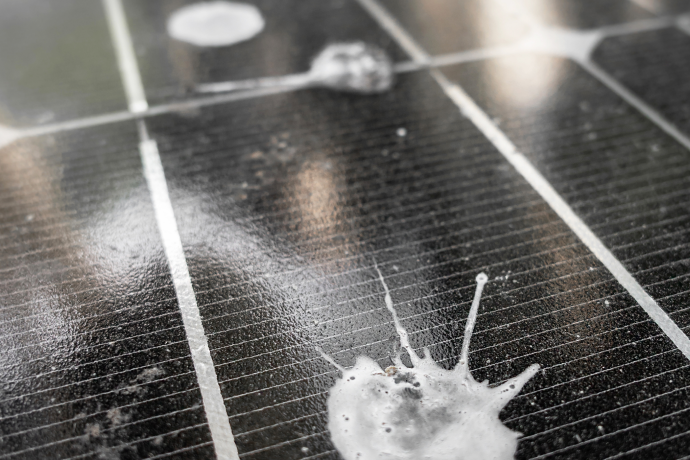
Snail trails can leave conductive marks on the solar panels while rodents may chew the cables. Birds can also leave droppings and make nests under the panels which all impact performance.
Solution:
- Install mesh barriers on the roof to stop rodents and snails.
- Clean the panels.
- Repair any damaged wiring
7. Roof damage
When a roof is not in good condition, there can be structural issues in relation to the solar panels. A damaged roof may not be able to support the weight of the solar panels which can lead to structural failure.
Solution:
- Professional roof inspection prior to installation is essential to avoid structural issues.
- If individual roof tiles are the issue but otherwise structurally sound, repair and replace roof tiles.
8. Potential induced degradation
PID is a major source of reduced energy production from solar panels. Triggered by high temperatures and humidity, it is when high voltage differences between solar cells and the panel frame causes damage.
Solution:
- Use PID resistant panels or install anti PID devices.
- Use an inverter with a built-in PID recovery module.
- Use microinverters which have low voltage to avoid PID.
9. High temperatures
Extreme heat causes panels to be less efficient and often accelerates degradation. For every degree over 25°C, solar panel efficiency drops by approximately 0.3% to 0.5%.
Solution:
- Use low temperature coefficient panels that are heat resistant. Bifacial and monocrystalline panels are designed with low temperature coefficients of 0.24% to 0.3%.
- Increase air flow by installing panels with adequate spacing between the roof and panel.
- In large setups, use water-based cooling systems or sprayers to lower panel temperatures.
10. Poor installation
This is a major cause of solar panel problems and underperforming that can lead to multiple problems. Common installation failures include incorrect panel orientation, improper sealing and faulty electrical wiring. When panels are not installed properly water damage can occur leading to potential corrosion of the system. Shading and poor placement reduce solar energy output and can damage cells over time.
Solution:
- Identify specific issues caused by the poor installation. Check the inverter display for error codes or warning lights. Visually inspect the panels to see if there is unexpected shade on them. Check for water damage or leaky rods, faulty wiring or connectors.
- Contact the installer to fix the issues under warranty.
- Make sure your solar system is installed by a reputable company registered with Solar Accreditation Australia.
11. Battery problems
Solar batteries can suffer from performance degradation over time. It is important to identify any battery issues to ensure the system operates at its maximum capacity to store solar energy for use when the sun is not shining. One battery problem is thermal runaway when the battery catches on fire due to damage, overarching or short circuiting. Another is undercharging where there is insufficient solar input that leads to chronically undercharged batteries and reduces their lifespan.
Solution:
- Use certified installers. Make sure you hire qualified professionals to ensure proper installation.
- Make sure the battery is placed in the right conditions in a cool, dry and well-ventilated area.
- Regular maintenance is essential to check for corrosion, clean terminals and monitor for any unusual sounds or smells.
- Install a battery management system to prevent overcharging and imbalances.
12. Cracked backsheets
The plastic layer on the back of the solar panel is the backsheet and these can crack due to poor material quality, poor installation or mishandling during transport. When the backsheet is cracked, moisture can leak into the system causing corrosion and electrical safety issues. A visual inspection will usually show white chalk-like powder, or cracked, brown or bubbling plastic on the back of the panel.
Solution:
- Visually inspect the solar panels to check for cracks, bubbles or white powder on the back.
- Look for sudden drops in electricity production.
- Contact a solar panel expert. Professional intervention is required to fix a cracked backsheet on solar panels as these defects are potentially dangerous. The technician will assess whether to apply specialised repair materials or if the whole module needs to be replaced.
13. Broken glass
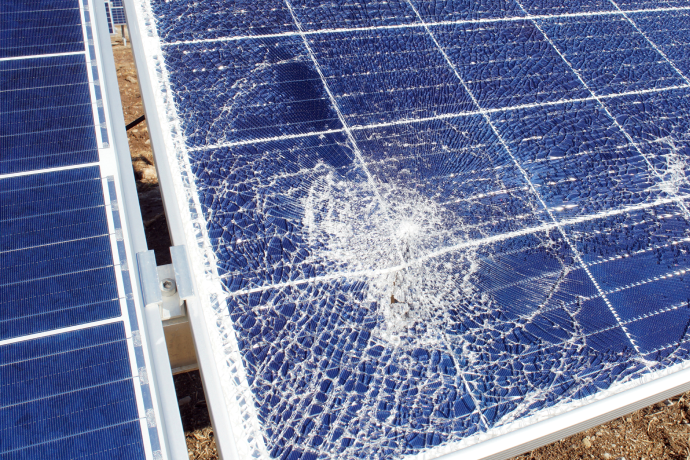
This is the physical damage to the top protective layer of the solar panel. When a solar panel has broken glass it can continue to function but usually at reduced efficiency. It is crucial to address the damage as soon as it is discovered to prevent corrosion, moisture ingress and electrical arcing. Solar panel glass may be broken by hail, manufacturing defects of falling debris.
Solution:
- Expert assessment is required to analyse the broken glass severity and determine if a repair or replacement is required. Attempting a DIY repair can void any manufacturer warranty.
- If the damage is minor, the technician may apply a transparent laminating film to cover the broken surface or a clear silicone sealant to seal cracks.
14. Defective junction box
The solar panel junction box houses and protects the electrical terminals and diodes connected to the solar cells. It collects DC electricity generated by the cells and transfers it to the inverter via cables. It also houses bypass diodes that allow current to flow around shaded or damaged cells. When the junction box is defective, there may be inverter error messages, signs of physical damage, and an unexplained drop in solar output.
Solution:
- Contact a certified solar professional to assess and fix a junction box issue. This is a dangerous electrical system that can also pose fire risks.
- The solar expert will replace the diodes if they are burnt, reseal the box if water ingress has occurred, check connections using a multimeter and replace the whole junction box if the damage is severe.
15. Wiring and connection issues
The wires connect the solar panels to the inverter and batteries so when issues occur the system does not work properly. Common causes of wiring and connection issues are poor installation techniques, corrosion from moisture exposure, rodents chewing cables or UV degradation over time. Writing faults cause the system to shut down intermittently, reduce power output and can lead to complete system failure if not addressed.
Solution:
- Always use a Solar Accreditation Australia installer when installing solar panels.
- Protect the cables with conduit and other weatherproof covers.
- Schedule regular maintenance and testing.
- Act quickly if you notice power flickering, visible damage or drastically reduced output.
16. Cracked cells
These are microscopic fractures in the silicon underneath the glass panel that are often invisible to the eye but can cause significant reduction in energy output and impact longevity. Usually cracked solar cells are caused by manufacturing faults, improper handling or extreme environmental issues like storms.
Solution:
- Professional inspection is imperative as many cracked cells are invisible to the naked eye. A solar expert will use EL testing to identify the extent of the damage.
- Affected panels may need to be replaced if cracks are severe and impact performance or lead to hot spots.
- For minor issues, moisture sealanges or waterproof resins can be applied to prevent moisture ingress although this is not a permanent fix.
17. Flora and fauna
Birds, animals and plants can have an impact on solar panels and cause problems which may need addressing. Bird droppings have been reported to account for a large percentage loss of efficiency. The acid from the droppings can corrode metal components and cause hot spots which lead to permanent damage. Small animals like mice and possums can sometimes nest in the gaps between the panels and the roof, blocking airflow and reducing energy output. Even insects like ants and wasps can nest in electrical components. When trees become overgrown they can cast shadows on panels which significantly impacts the amount of sunlight connected to the solar cells.
Solution:
- Install mesh around the parameters of the solar array to prevent birds and animals from nesting underneath.
- Regularly clean the panels to prevent bird dropping or leaf buildup.
- Prune or remove nearby trees and maintain low vegetation around ground mounted solar systems.
How to Avoid Solar Panel Problems
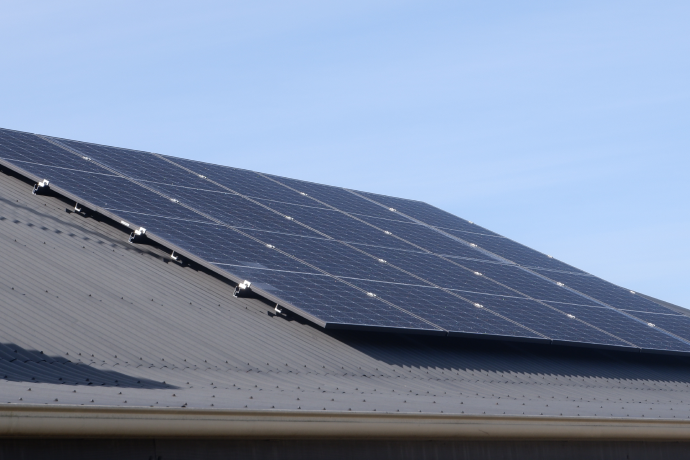
To help avoid solar panel problems there are a number of things you can do from regular maintenance and cleaning to ensuring top quality installation and components.
- Professional installation: The first way to avoid solar panel problems is to hire a professional solar installer. Experienced, certified and reputable contractors will adhere to safety standards set out by Solar Accreditation Australia.
- Regular maintenance and cleaning: Solar panels should be cleaned regularly and have yearly maintenance by a solar technician.
- Proactive monitoring: Use smart monitoring software to keep an eye out for sudden reduction in energy output which may indicate faults before they are visually obvious.
- Environmental control: Clear shading and debris on a regular basis to ensure the optimum amount of sunlight can reach the solar panels.
Solar panels are generally reliable but can occasionally experience problems with drops in power production. Keeping an eye on the amount of electricity your solar panels are producing is imperative to avoid any major issues developing. If you do experience any solar panel problems it is important to contact your solar provider to discuss the best way to fix them. The team at Tasmania Safer Solar are readily available to help with any of your solar panel questions.

 1300 655 808