


When looking for solar panels it is important to compare them to find out which will be the best suited to your home or business. The Clean Energy Council has approved over 100 brands under the Australian Federal Rebate scheme so there is a large range to choose from. Different types of panels like monocrystalline, polycrystalline and thin film have distinct characteristics like efficiency, cost and application. Each will suit different budgets and installation needs. As the primary component of a solar energy system, solar panels are responsible for converting sunlight to electricity so choosing the right panels is essential. Comparing solar panels by taking into account quality, efficiency, price and performance can help you make an informed decision when installing a solar system.
How do Solar Panels Work?
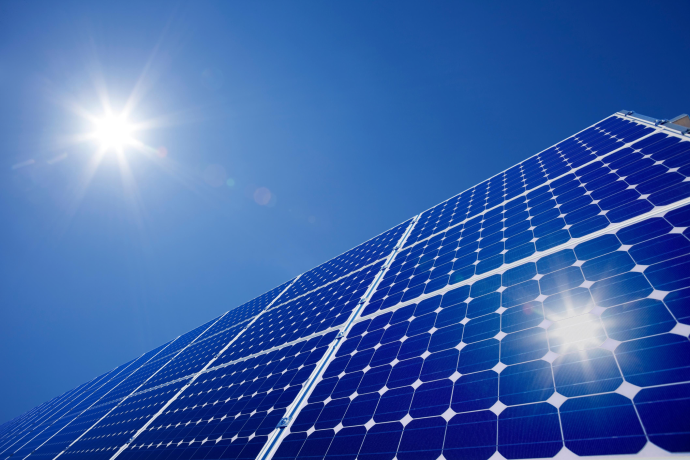
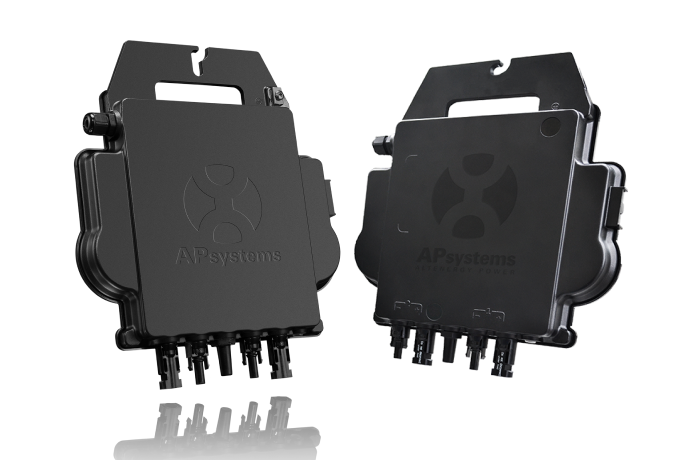
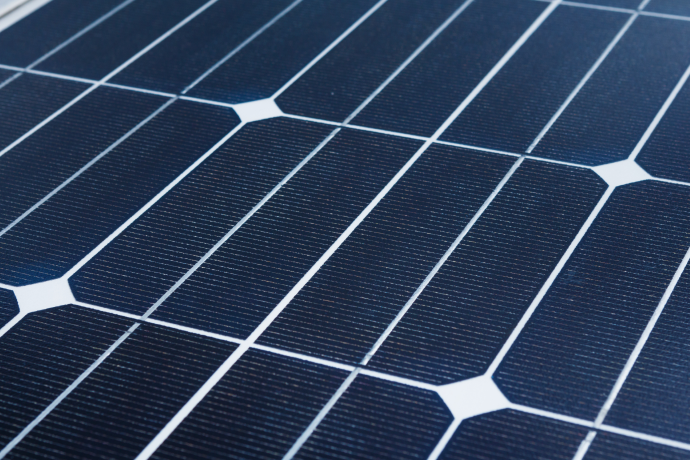
Solar panels work by converting sunlight to electricity through a photovoltaic effect. The solar panels are made up of photovoltaic cells which are devices made of semiconductor materials like silicon. When the sun shines, it releases photons. These photons connect with the solar cells causing them to be captured and directed to create an electrical current known as direct current (DC) electricity. This electrical current is then fed into a solar inverter and converted into alternating current (AC) electricity, which is the type of current necessary to power appliances and devices in a home or business.
Why compare Solar Panels?
Solar panels are a financial investment that can reduce your power bills, improve energy efficiency and even increase the value of your home. To make sure you are getting the right solar panels for your needs, it is important to compare them. The right solar panels will maximise energy generation and improve your return on investment. The main reasons to compare solar panels are:
- Maximise energy efficiency: Choosing the right type and size of solar panel ensures maximum energy efficiency. Certain situations, like a shaded rooftop, may require higher efficiency solar panels to provide the most energy production so comparing panel types and efficiency is essential.
- Long term savings: The right solar panel for your needs will provide maximum long term savings. Compare solar panels on performance, efficiency and warranties for the best return on investment and savings in the future.
- Suitable for needs: Comparing solar panels will help you find the most suitable for your personal needs. Take into account the available space on your roof, your budget and energy consumption.
- Future expansion: Understanding what high quality panels are and what they can provide is ideal when taking into account future expansion. You may decide to install higher efficiency panels because in the future you plan for an electric vehicle or improvements on the home that require more energy consumption.
Solar Panel Comparison
When comparing solar panels there are a variety of factors that will impact how suitable they will be for your needs. To ensure you choose the right solar panel, compare solar panels by brand, efficiency, wattage, temperature coefficient and degradation rate.
- Brands: There are over 100 brands certified by the Clean Energy Council available in Australia. Compare the different brands for quality, performance, price and reputation. The solar panel brand you choose impacts the final system cost and energy efficiency.
- Efficiency: A solar panel’s ability to convert sunlight into electricity is a measure of its efficiency. Consider panel efficiency particularly if you have a roof with limited roof space.
- Wattage: The power output a solar panel produces is quantified in terms of wattage. Look at the wattage of the solar panels as high wattage panels will produce more power.
- Temperature coefficient: The temperature coefficient is how much a solar panel’s power output decreases with every temperature degree above the standard conditions of 25°C. When solar panels are overheated they can lose efficiency. Check the temperature coefficient rating when comparing solar panels especially if you live in an extremely hot location.
- Degradation rate: Check the solar panel’s degradation rate over a period of time. A higher degradation rate means the solar panel will lose efficiency more quickly over time.
Comparing Types of Solar Panels
The three main types of solar panels are monocrystalline, polycrystalline and thin film panels. Each varies in terms of efficiency, lifespan cost, and aesthetics.
| Panel Type | Monocrystalline | Polycrystalline | Thin Film |
| Efficiency | 17 to 24% | 15 to 17% | 6 to 18% |
| Lifespan | 25 to 40 years | 25 to 35 years | 10 to 20 years |
| Cost | 6kW system – between $5,500 and $9,000 after rebates approximately | 6kW system – between $4,500 and $7,500 after rebates approximately | 6kW system- between $2,000 and $7,000 after rebates approximately |
| Aesthetics | Black or dark blue with a round edge | Larger, square shaped edge and mostly light blue | Thin construction, mostly black or dark blue |
Comparing Solar Panel Brands
Our side by side comparison compares different brands of solar panels in terms of efficiency, warranty, temperature coefficient, degradation rate and brand reputation.
| Brand | Efficiency
(average) |
Warranty | Temperature coefficient | Degradation rate | Brand reputation |
| Sunpower Maxeon | 22.8% | 40 years | -0.27% to -0.29% per °C | 0.25% per year | Excellent |
| REC
Alpha Pure-R |
21% | 25 years | -0.24% per °C | 0.25% per year | Excellent |
| Jinko Solar Tiger
Neo N-Type |
23% | 25 – 30 years | -0.29% per°C | 0.4% per year | Very good |
| LONGi Solar
Hi-MO 6 |
22.5% | 25 years | -26% to -0.35% per °C | 2% in first year and 7% after that | Very good |
| Aiko Neostar 2P | 23.6% | 25 years | -0.26% per °C | 0.35% per year | Very good |
| Trina Solar
Vertex S+ |
21.5% | 25 years | -0.29% to -0.30% per°C | 1% in first year and
0.4% after that |
Very good |
| Q Cells Q.PEAK DUO ML-G10+ | 21% | 25 years | -0.35% / °C to -0.40% per°C | 0.5% per year | Very good |
Top Solar Panel Brands in Australia
The top solar panel brands in Australia are chosen based on performance, warranty, durability and manufacturing. While there are a wide variety of solar panels to choose from, the top rated solar panels in Australia in 2025 are:
- Sunpower: This brand is one of the top Australian brands renowned for the premium Maxeon panels. Sunpower solar panels are high efficiency panels with an efficiency of 22.8% which is one of the highest in the market. Sunpower solar panels are exceptionally durable but are slightly more expensive than others on the market.
- Trina Solar: Trina solar panels are a popular choice for their durability and performance, especially the Honey and Vertex series. Although they are not a premium brand, they are highly rated for their balance of high quality and low cost.
- Q cells: This brand uses quantum-dot technology and is rated for their high efficiency of 20-21%. This brand of panels is ideal for low light conditions and available at competitive prices.
- Jinko Solar: Jinko solar panels are one of the top Australian brands known for their high efficiency, durability and performance. They are very reliable with a competitive price that makes them a cost effective choice.
- REC: These solar panels are excellent for Australian conditions as they have excellent temperature coefficients. They are also extremely cost effective compared to the top tier solar panels.
- Canadian Solar: This brand has a long history of reliability and is ideal for those looking for a high efficiency solar panel with long term value.
- Longi Solar: The Longi Hi-M0 6 series are one of the top solar panel brands with a reputation for the ability to withstand harsh Australian conditions. They offer mid range performance but are very well priced.
- Aiko Solar: Aiko is well known for its All Black Contact (ABC) technology which makes them efficient in sun and shade. This brand is new to the market in Australia but is already becoming popular for their durability and efficiency.
Choosing the Right Solar Panels
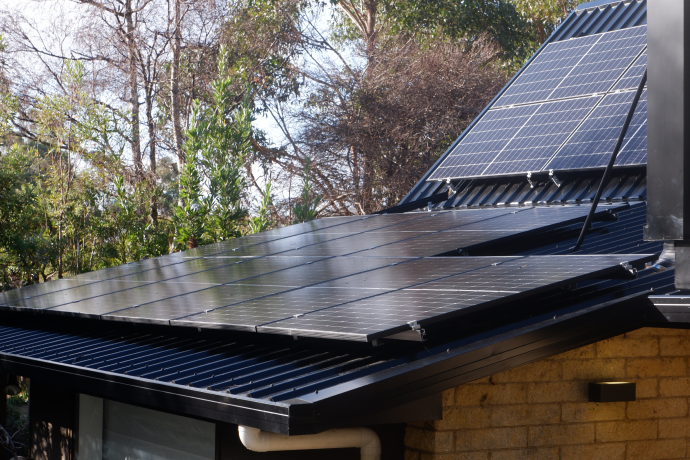
When comparing solar panels you need to take into account the different types and characteristics. Beyond that, take these factors into account when choosing the right solar panels for you.
- Budget: Take into account how much the solar panels are going to cost and what you can afford to spend. Remember to consider that the solar panel price will also be reduced after rebates and government incentives, and the long term savings on energy bills.
- Roof space: The amount of roof space you have will impact the type of solar panels you install. For smaller roofs you may need to consider higher efficiency solar panels.
- Sun exposure: Consider the amount of sun exposure your roof gets as solar energy can only convert to electricity if the sun can connect to the panel.
- Energy requirements: Take into account the home’s energy consumption when choosing solar panels. This will influence the size and type of solar system you may need to install.
With over 100 brands of solar panels approved for installation in Australia, there is a plethora to choose from. Our guide explains the different types of solar panels and most popular brands based on performance, warranty, cost and brand reputation. Solar panels can make a huge difference to your lifestyle, reducing energy bills and helping the environment. With this type of financial investment, it is important to choose them wisely. For further information and advice on which type of solar panel to choose, contact the team at Tasmanian Safer Solar.

 1300 655 808