

Solar panels are an excellent renewable energy source that protect the environment and help save money on bills. In Australia where there is abundant sunshine, they are the perfect choice for harnessing clean energy. Solar panels are designed to withstand high temperatures and do not technically overheat. However, high temperatures do impact efficiency which is known as the temperature coefficient. This is the measure of the output loss for every degree celsius above the optimal operating temperature. If you are concerned about your solar panels overheating in the hot weather, there are ways to mitigate these issues to ensure your solar system works at optimum efficiency.
How Does Heat Affect Solar Panels
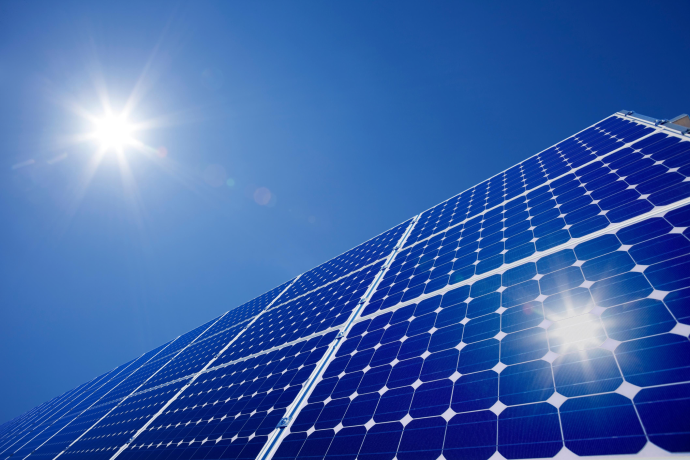
The best temperature for solar panels to operate at is 25°C. Every degree the solar panel measures above that temperature reduces efficiency. While solar panels rely on sunlight to create energy, excessive heat causes a decline in performance. The reason heat creates an adverse impact on solar panels panel performance and efficiency is due to how the cells react to higher temperatures.
Solar panels work by converting sunlight into electricity using semiconductor materials like silicon. When the sunlight hits the solar panel the particles of photons connect with the solar cells and knock the electrons loose from their atoms which forms a DC current. The optimum operating temperature for this to occur is 25°C. Temperatures higher than that cause an increase in the vibration of the atoms which makes it harder for the electrons to travel and flow as electrical current.
Understanding the Temperature Coefficient
The temperature coefficient is the measure of how much solar panel efficiency decreases with heat. Every type of solar panel will have a temperature coefficient which will be listed on the data sheet. Usually it is listed as ‘Temperature Coefficient of Pmax’ or ‘Maximum Power Temperature Coefficient’. Solar panels with temperature coefficient close to zero will perform a lot better in hot weather.
The Impact of Heat on Solar Panels
Solar panels use sunlight energy, not heat to generate electricity, although heat is a byproduct of the sunshine. Too much heat can have a negative impact on solar panel efficiency. Solar panels can withstand temperatures of up to 65°C but the optimal operating temperature is 25°C and any degree above that reduces the efficiency of the photovoltaic panel by about 0.5%. Excessive heat on solar panels can sometimes cause these issues:
- Efficiency reduction: Solar panel efficiency is the measure of the percentage of sunshine that a solar panel can convert into electricity. The average efficiency for most residential solar panels is between 17% and 24% but this is affected by factors like panel type and temperature. As solar panels operate the best at 25°C, any degree over that reduces their efficiency by 0.3% to 0.5%.
- Shortened lifespan: Most solar panels will last for about 25 to 30 years. Extremes in temperature like hot weather will cause the panels to degrade at a faster rate as solar panels work most efficiently in locations with moderate temperatures. Although solar panels are designed to withstand high temperatures, prolonged exposure to excessive heat and repeated expanding and contracting can degrade the panel material and reduce the lifespan.
- Potential damage: Excessive heat can cause physical damage to solar panels. The heat causes the materials to expand and contract which puts physical stress on the cells and can lead to microcracks. Hot spots can also occur in extreme temperatures which may lead to cell fractures.
Mitigating the Effect of Heat on Solar Panels
If you live in an area with high temperatures, there are ways to mitigate the effect of heat on solar panels. Through using these strategies, you can reduce the effect of heat and ensure optimum efficiency from your solar system.
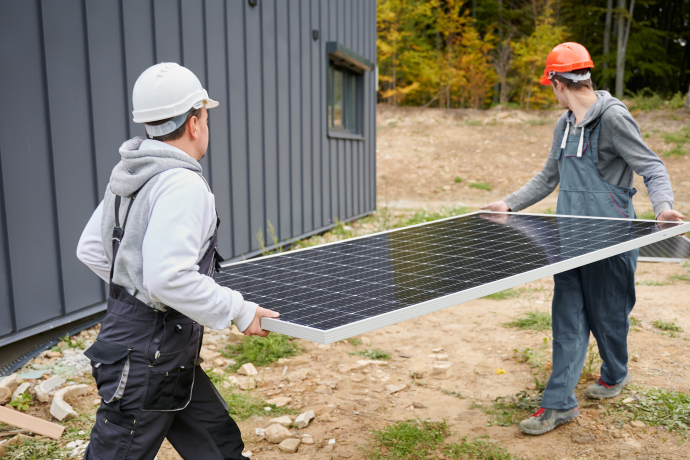
- Proper installation and spacing: To help solar panels operate efficiently in prolonged heat, make sure they are installed and placed correctly. This means mounting them so that air can flow underneath to cool the panel. This usually means a 10cm to 20cm gap between the panel and the roof or other panels. Installers will also usually use small spaces to create a gap between the rows of panels. For areas of extreme heat, you may even consider ground mounting the solar panels.
- Type of solar panel: The type of solar panel you choose will impact the effect of heat. For areas with regular prolonged heat, monocrystalline panels have a better temperature coefficient than polycrystalline or thin film panels. Select panels that are specifically designed to withstand extreme temperatures.
- Quality and durability: Consider quality and durability when choosing solar panels. Choose panels made from manufacturers known for making high quality and durable products.
- Solar panel coatings: Innovative coatings have been designed to help block or reflect heat from the sun to reduce the amount of solar heat the panel absorbs. Coatings like heat-reflective paints can reflect up to 50% of the sun’s heat. Ceramic coatings are also used to provide a permanent protection of the panel from heat and other elements.
- Active cooling systems: In times of extreme heat, consider using active cooling systems to reduce the temperature of the solar panels. Active cooling systems include water based systems like drip irrigation or spray systems. Other ways to dissipate heat are using fans or ventilated air cooling systems to improve air flow and reduce heat accumulation.
- Regular maintenance and cleaning: Regular maintenance and cleaning is essential for solar panel reliability. Solar panels that are well looked after and regularly maintained by professionals will perform well in harsh climates. A professional inspection once a year can assess any physical damage to the solar panels and components, perform electrical testing and clean the panels.
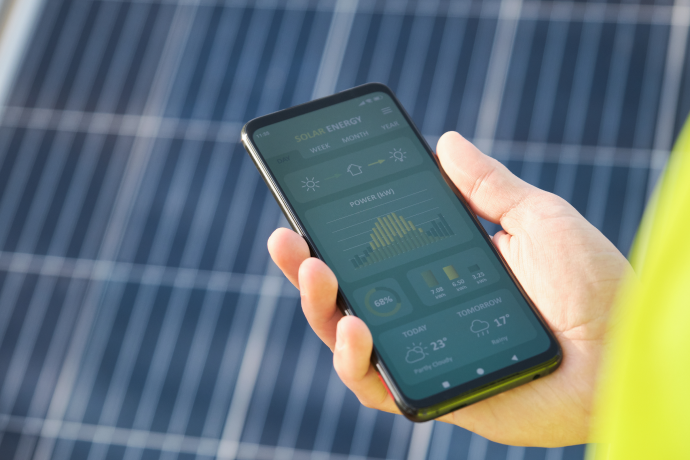
- Monitor performance: Keeping an eye on the solar system performance is a good way to detect any issues particularly in prolonged periods of heat. Most solar and battery systems have a monitor or display panel or an inverter with a basic output display. Drops in energy output can be a signal of a system that is overheating.
Choosing the Right Solar Panels and Inverters for Heat Resistance
When solar panel temperature reaches above its optimum operating measurement of 25°C, efficiency and energy output decreases. It is important to choose the right solar panels and inverters to resist heat to help avoid this reduction in efficiency. Consider these factors when selecting the right solar panels and inverters for heat resistance.
- Choose Heat Resistant Panel Materials: Some panels are better in extreme heat and should be considered. The best type for heat is a Monocrystalline panel with excellent heat tolerance.
- Heat Tolerance Rating: The heat tolerance rating on solar panels is their temperature coefficient. If the panel has a lower coefficient it will be less efficient as temperatures rise. Choose solar panels from brands that have a low temperature coefficient. The most heat resistant panels by brand in Australia are REC Alpha Pure-R with a temperature coefficient of -0.24%/°C or Aiko Neostar 2P at -0.26%/ °C.
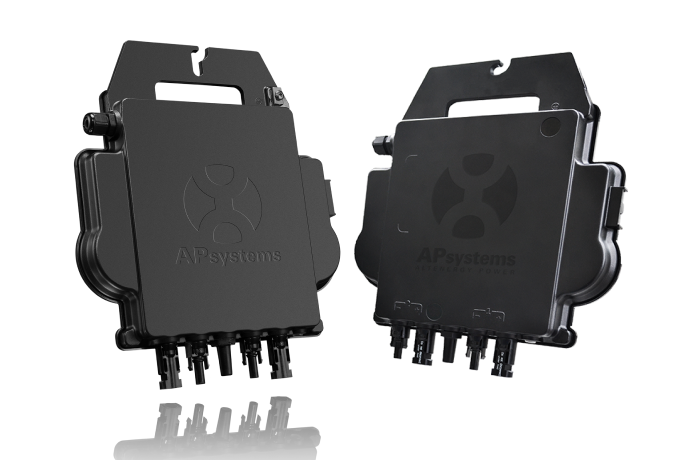
- High-Quality Inverters: The solar panel inverter is an imperative part of the solar system, converting DC electricity to AC electricity that can be used in the home. When solar panels overheat, it is likely that the inverter will overheat particularly if exposed to high ambient temperatures. Choose inverters with excellent cooling systems.
- Certification requirements: Ensure the panels are listed in the Clean Energy Council’s approved list. This list ensures that the panels are approved but does not show the direct temperature coefficient ratings. You need to look up the solar panel data and technical specifications for those details.
- Brand Reputation: Reputable brands are more likely to use quality materials and more durable technologies to withstand hot weather. Do your research and look at reviews to find out the brand reputation.
For solar panels to convert sunlight to electricity, they require sunshine which is often accompanied by heat. While solar panels do not necessarily overheat, they do lose efficiency with increased temperature over 25°C. When considering investing in solar panels, pay attention to the temperature coefficient listed in the solar panel specifications. The temperature coefficient indicates how well the solar panels will cope with heat and how much efficiency will decrease with every degree above 25°C. It is important to understand how heat can affect solar panels while keeping in mind the efficiency reduction is minor compared to the energy saved by using solar panels. For further information on solar panels and how they react to heat, contact the team at Tasmania Safer Solar.

 1300 655 808