
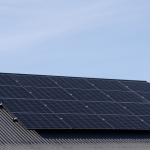
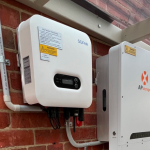

Not every home will need a battery to enjoy all the benefits of a solar panel system. Although battery storage is growing in popularity, the majority of residential solar installations are still tied to the grid, without batteries.
A battery-free solar system generates energy that’s immediately sent to your home for use, while the excess energy is transferred to the electrical grid. This setup can be great for Tasmanians due to the added affordability, simple installation process and lower impacts on the environment.
However, without energy storage, you won’t be able to use electricity during a power outage, and it will make going off-grid more difficult. Understanding how you can use your solar panels directly without a battery can help you feel prepared to make an informed choice.

Key Components of a Battery-Free Solar System
Solar batteries have only recently begun to grow in popularity. For most homeowners, a battery-free system will be the normal approach to adding solar energy. The components of this solar system include:
Solar panels
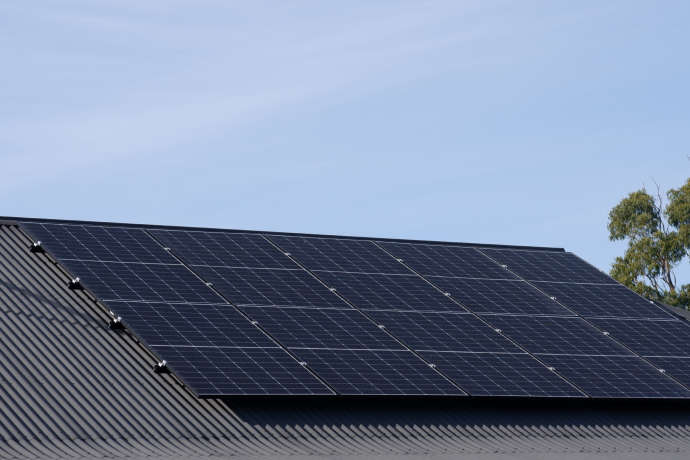
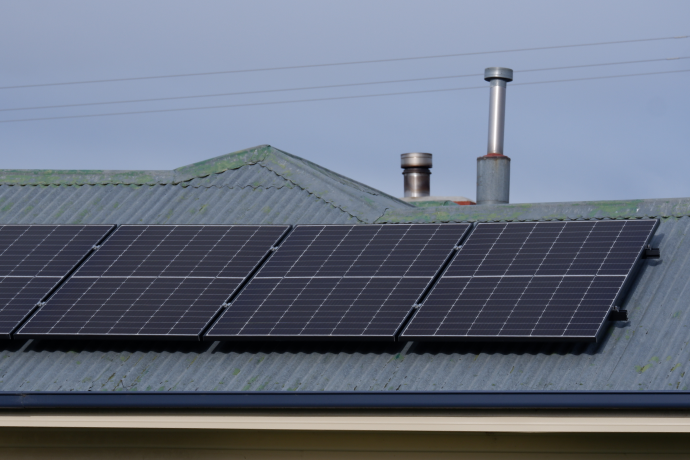
These are the central components of any solar system that capture sunlight and convert it into direct current (DC) energy. The number of solar panels will depend on your energy consumption and the level of sunlight in your area. It’s important to also ensure that all panels are compatible for direct usage, meaning that energy can be exported directly, without battery storage.
Inverter
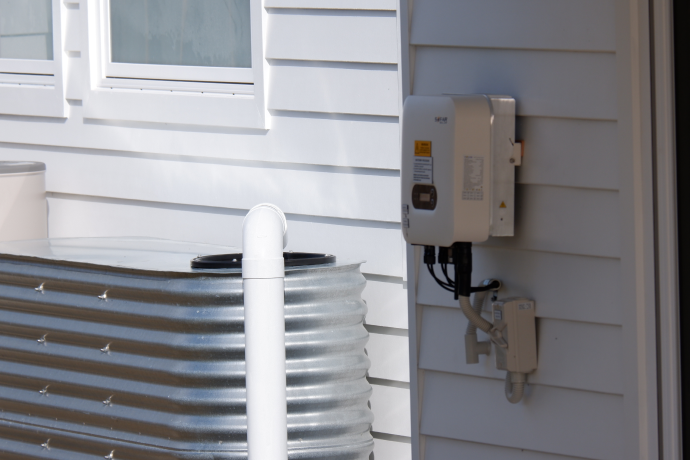
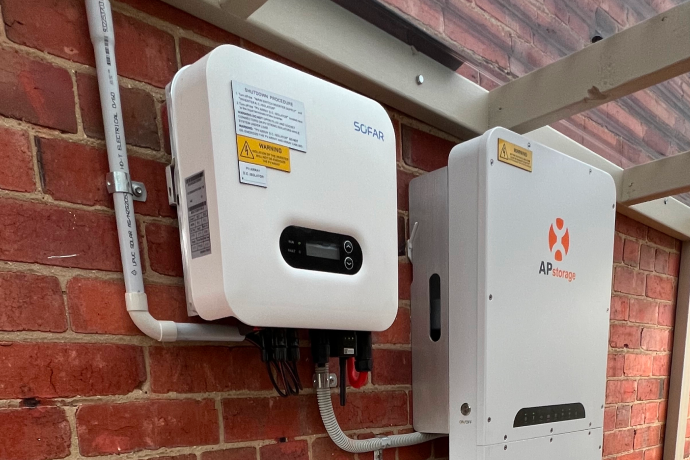
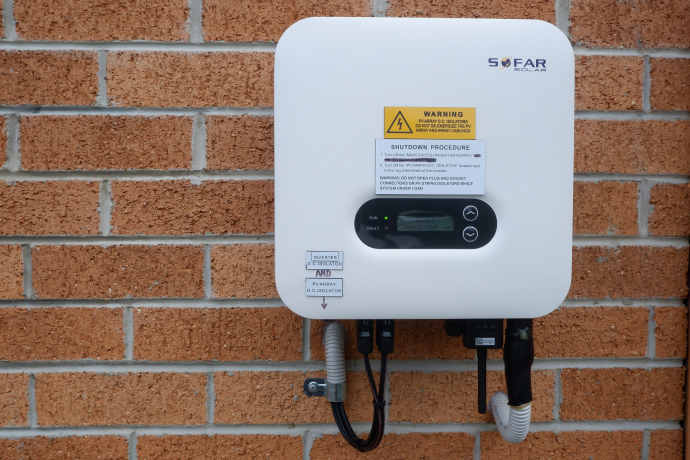
They are the brains of any solar system, and are responsible for converting the DC solar energy from your panels and battery into AC (Alternating Current) electricity, which is the type used to power your home appliances.
Mounting system
This ensures your solar panels are properly secure and set at an optimal position to capture as much sunlight as possible. The types of mounting hardware can vary and includes rooftop or ground-mounted racks.
Electrical wiring and connections
Wiring and cables are vital to the safe and efficient flow of energy from solar panels to your home appliances. Any cabling must be appropriately sized and capable of handling the voltage of your entire solar system.
How Solar Panels Work Without a Battery?
When operating without a battery, solar panels will produce energy through the following steps:
Step 1: Sunlight Hits the Solar Panels
Solar panels are made up of multiple photovoltaic (PV) cells made from silicon. When sunlight hits the PV cells, the energy is absorbed, with the movement of electrons creating a flow of electrical current.
Step 2: DC Energy Flows to the Inverter
While solar panels generate DC electricity, your home can only be powered by AC electricity. This means an inverter is required to convert the generated DC electricity into usable AC electricity. Wiring is also used to capture the DC electricity from your panels and transport it to the inverter.
Step 3: Power Runs Household Devices
The converted AC electricity flows into your household electrical panel. From the electrical panel, the electricity is used to power your home appliances, such as your lights and other electronic devices.
Step 4: Excess Power Flows to the Grid (If Grid-Tied)
If your solar panels generate more electricity than is needed by your home, the excess is sent back to the electrical grid through the utility meter. In a process called net metering, you may receive credits from your utility company for any excess power; a process known as a feed-in tariff.
Step 5: Production Stops When Sunlight Fades
When the sun goes away, or at nighttime, your solar system will stop producing electricity and begin drawing additional energy from the grid.
Pros and Cons of Using Solar Panels Without a Battery
The following are the major advantages and disadvantages of a batteryless solar system:
Pros
- Avoid added battery costs: A large portion of the budget of your solar system goes to the battery. Homeowners should expect these devices to cost anywhere from $6,000 to over $12,000. Therefore, by skipping out on a battery, you can expect considerable savings on the upfront cost of a solar system.
- Easier to install and maintain: With fewer components involved, a batteryless solar system is much easier to install, with fewer parts that can fail. It also reduces the burden on maintenance, with one less component to monitor and repair.
- Environmentally friendly: Solar batteries contain hazardous materials such as lithium and nickel, which can be damaging to the environment when created due to activities such as mining that produce harmful pollutants and carbon emissions. Furthermore, because they contain heavy metals and chemicals, if they are not disposed of properly, they can damage the environment.
- Net metering: Most solar systems that aren’t connected to a battery will have access to net metering programs. This is where you get credit for sending back any excess energy to the grid. These credits are applied to your utility bill in the form of feed-in tariffs (FiT).
Cons
- Grid dependency: Without a solar battery, you have no access to energy storage. This means you will remain dependent on the public grid for your additional energy supply, particularly at nighttime when your panels aren’t producing. This can be a challenge for more remote parts of Tasmania with poor grid infrastructure.
- Power is unavailable during power outages: If a power outage occurs, without a battery, you will have no backup power. Inverters that are connected to the grid are designed to shut down during a blackout, which means if a power outage occurs, you will have no access to any electricity.
- Difficult to shift energy use: Without solar batteries, you can’t store any solar energy for later. This makes it difficult to run high-energy appliances, such as a dishwasher or washing machine, during off-peak hours when the sun isn’t shining, without using expensive electricity from the grid.
How to Get the Most Out of Battery-Free Solar Panels
The following are some of your tips for how to get the most out of a battery-free solar system:
Time your energy usage
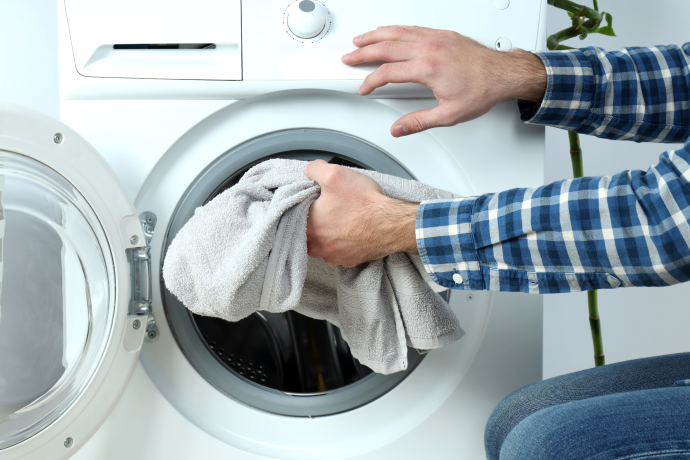
Within Australia, a solar system typically produces the most amount of energy during the day, between 10 AM and 3 PM. You can optimise your energy usage by using energy-intensive activities such as a dishwasher or washing machine during these times.
Optimise panel placement
Make sure your solar panels are placed in a position to get as much sunlight as possible. Within Australia, panels that face north will produce the highest amount of electricity throughout the day. You should also avoid shading where possible, as this can reduce your energy production. Your solar installer should be able to perform a site assessment of your roof to ensure the optimal panel placement.
Keep panels clean and perform maintenance
Dirt, dust and debris can accumulate on your panels that block sunlight and affect how well they produce energy. We recommend cleaning your panels at least once a year, or every few months for areas with frequent dust or dirt. We recommend you also contact a solar professional, such as the team at Tasmanian Safer Solar (TSS), for an inspection, as they are qualified to troubleshoot any hidden issues before they get worse.
Monitor in real time
Modern solar systems are fitted with smart monitoring technology for real-time tracking of energy production. This can usually be accessed through an app connected to your inverter, which can be helpful for identifying any dips in performance, and when your energy consumption is at its highest, to adjust your usage habits.
Use energy-efficient appliances
By switching to energy-efficient appliances, you can ensure you make the most out of the electricity you generate. Common household appliances with energy-efficient options include refrigerators, dishwashers and air conditioners, which have low energy consumption with high efficiency. To check if an appliance is energy efficient, refer to its energy rating label, and prioritise devices with a higher star rating.
Can You Go Off-Grid Without a Solar Battery?
Although it’s technically possible to go off-grid without a solar battery, it’s not recommended by most solar installers and usually impractical long term. Without a battery it’s likely you’ll encounter multiple challenges, such as an unstable power supply and an inability to power your home during periods of low sunlight.
For many homes, an off-grid system without a solar battery seems like a smart idea, as it can save you money on an expensive battery installation. However, this setup will only be feasible for parts of Australia, such as Queensland and Western Australia, with consistent long days and access to bright sunlight.
With shorter days and consistent cloud cover, Tasmanians will likely require a solar battery for an off-grid system to be effective.
Are Solar Panels Worth It Without a Battery?
Determining whether a solar panel system without a battery is worth it, will depend on your personal circumstances.
For many homeowners, the initial cost of a battery will far outweigh the benefits, especially if your primary goal is to reduce your monthly electricity bills. If you want the fastest payback period and highest long-term financial profit, a batteryless system will be the best choice. Adding a battery can increase your payback period by around 7-10 years.
If you spend most of your time at home during the day, direct solar can be great because you can use energy as it’s being generated. You may also live in an area with a reliable connection to the grid, meaning batteries may not be necessary.
On the other hand, if you consume a large amount of energy overnight, a solar battery could be a worthwhile investment. You may also suffer from frequent blackouts or live in a region with shorter daylight hours that necessities a solar battery.
Overall, for most homeowners, solar panels are definitely worth investing in without a battery. For more information on whether solar panels are worth it, reach out to the team at TSS, who can assess your personal circumstances to find the right option for you.

 1300 655 808