

The performance of your solar panels is essential, but for many, how they look on your roof can be just as important. A solar system becomes a key part of your home’s design and aesthetics, with homeowners looking for new ways to integrate solar without compromising the visual appeal of a property.
Recent developments in solar panel design have improved aesthetics, with discreet, modern options that can blend seamlessly with your home. Depending on the appearance you want to achieve, there are also a variety of ways you can make improvements.
You could choose a sleek, black frame and incorporate it with a low-profile mounting system. Regular maintenance and cleaning can also help to remove any dirt and debris for added visual appeal. Read on to discover more tips on how you can improve the aesthetics of your solar panel system.

8 Tips for Improving Solar Panel Aesthetics
1. Choose the Right Frame Colour
As solar technology continues to evolve, the range of design options for solar panels continues to expand. The colour of your solar panel frame is one way to improve your system’s appearance, and can include the following:
- Silver frame: The most traditional colour, a silver frame, has become quite unpopular in recent years due to its industrial look, with a bright border around each panel that can be quite noticeable from a distance. Although at a lower price point, it can be an affordable solution, particularly for locations where aesthetics aren’t a major concern, such as a warehouse or shed.
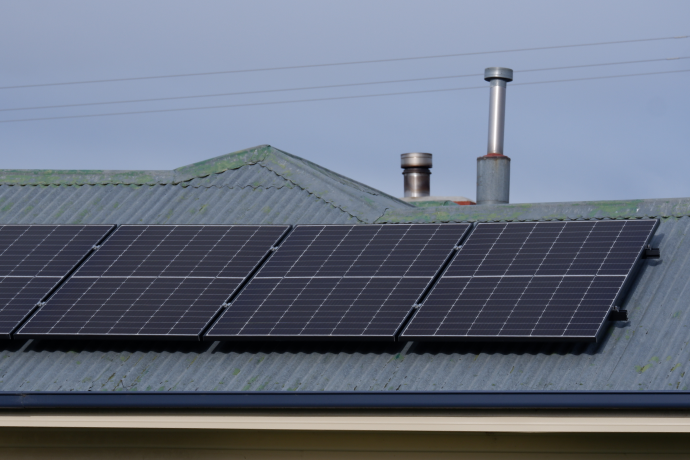
- Black frame: Although silver is the traditional colour for panel installations, a black frame offers a sleeker, darker appearance. Many installers and manufacturers have begun to offer these as standard, as more homeowners look for a less-conspicuous option. Although this frame colour will likely come with a slight cost increase compared to the traditional silver.
- All black frame: These panels provide the ultimate modern design, with an all-black appearance that conceals the white backing to blend seamlessly with a residential rooftop. It’s important to note that these panels are usually less efficient due to the increase in heat absorption.
2. Understand Solar Panel Types and their Appearance
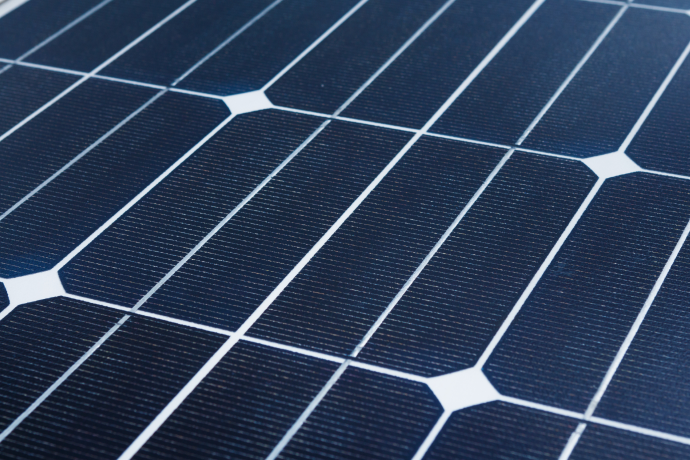
- Polycrystalline: Less common for modern installations, a polycrystalline panel has a distinct blue or dark blue colour. With their silver frames and less uniform appearance, these panels tend to be viewed as less attractive. Although they are more affordable than other panel types, they can be a cost-effective solution for budget-friendly households.
- Monocrystalline: If you’re looking to improve the aesthetic quality of your roof, monocrystalline can be a great option. With its dark, sleek design, it is popular for modern homes due to its attractiveness, especially when paired with a black frame.
- Thin film: Thin-film panels are unique because rather than adopting the traditional frame design, they are often frameless and flexible, with a smooth, uniform surface. This means they can be applied seamlessly to areas of your roof where traditional solar panels can’t, providing greater flexibility and allowing them to blend with your roof material.
3. Consider Panel Placement and Layout
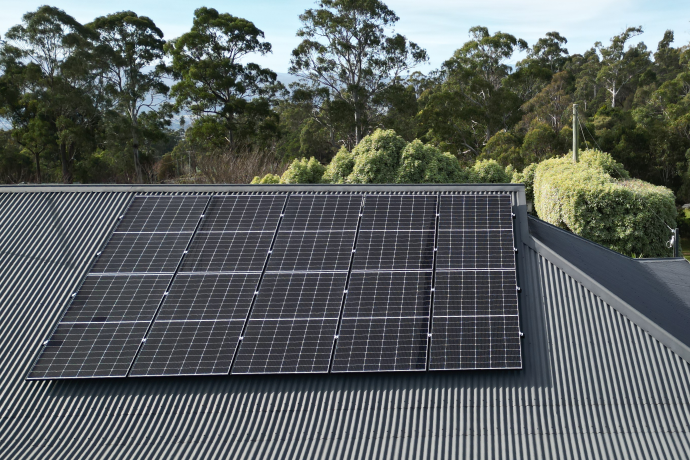
Considering the layout of your solar panels can enhance their visual appeal. While every homeowner has their own preferences, distributing your panels evenly will typically achieve the best results. Install the same number of panels on each side of your roof in a symmetrical manner and ensure equal spacing between them. You can also arrange the panels to follow the edges of your roof to create a more pleasing distribution.
If you place your solar panels further apart from each other, or distribute them in a random, haphazard manner, this may create a disjointed look that affects your roof’s aesthetic.
Although, like other aesthetic choices, every homeowner will have their own preferences, and it’s important that you discuss these with your installer. Installers can also work around any obstructions on your roof, such as a chimney, skylight or antenna, while also maintaining an attractive finish.
4. Hide Solar Wiring and Conduit
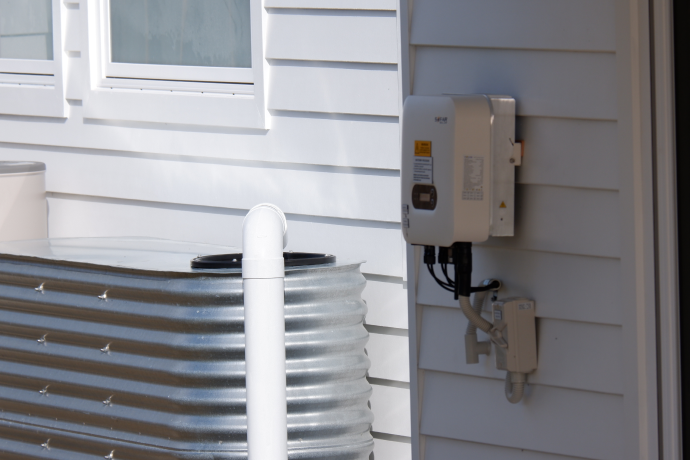
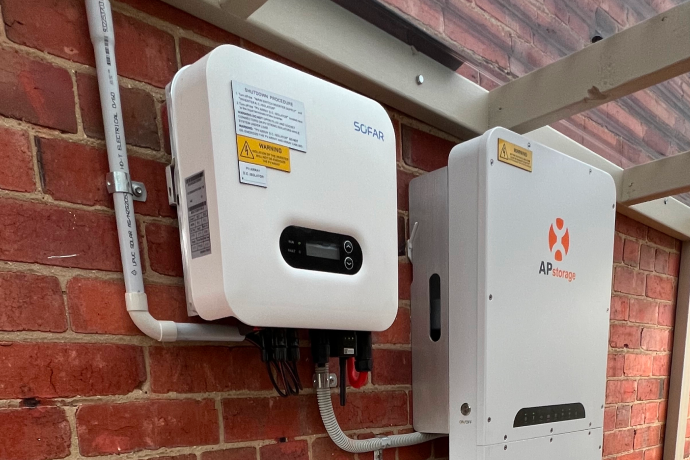
Any visible wiring and cables are one of the first things that can make a solar system look messy on a rooftop. Concealing all the electrical components can be the difference between a disorganised solar system and one that looks tidy and well-organised.
Many residential installers will offer homeowners solutions to ensure wires and conduits are routed in a discreet manner. A structural rerouting is a common solution, in which all wiring is moved entirely out of sight by running it directly through your home’s interior. In this instance, installers will drill a hole directly under your solar panels, which allows them to feed through wiring out of sight. Installers can also use parts of your roof to smartly hide wiring where possible, such as within gutters, drainpipes or directly under panels.
The added benefit of hiding electrical wiring is that it receives protection from the weather and UV, while also avoiding wildlife damage.
5. Decide on a Mounting System
An often overlooked component to improving the aesthetics of your solar system is your choice of mounting system. These are the components that provide the necessary structural support to your solar panels in place. The primary mounting systems for Australians include the following, each making a significant difference to the aesthetic of your home:
- On-roof mounting system: The most common mounting system for residential installations. This is where solar panels are fitted to a frame or rail that is installed just slightly above the roof’s surface. This mounting system can be made more aesthetically pleasing by choosing an all-black mounting kit in which the hardware blends into a black-framed panel.
- In-roof mounting system: This is where solar panels are installed directly into the roof to create a watertight covering. In this instance, solar panels appear much lower on the roof, which can dramatically enhance their attractiveness by making them more integrated and discreet.
- Free-standing mounting systems: These aren’t fixed to a pitched roof structure and are commonly used on flat roofs, or in ground-mounted solar systems, where the angle can be adjusted to maximise production. Although they can be viewed as being visually intrusive, when used on the ground, they can be hidden away to retain your house facade.
6. Clean Panels Regularly
No one likes the look of dirty solar panels on their roof, with dust, dirt and debris hiding their elegance and visual symmetry. We recommend establishing a consistent cleaning routine, not just to maintain their visual appeal, but also to maximise your energy production.
If you’re looking to clean your panels, first make sure your entire system is completely shut off. Then, standing on the ground, rinse your panels off with a hose. We recommend remaining on the ground because the roof can be dangerous, particularly when using water to clean. If your hose doesn’t wash away all the dirt, please reach out to your local solar professional who can carry out a thorough clean.
Cleaning around one to two times per year should suffice, with the exact amount depending upon your location and weather conditions.
7. Consider Additional Options
There are also a few additional ways to make your solar panels look appealing. With a mix of established and emerging technologies, these include the following:
- Solar skins: One of the most exciting technologies that aims to transform the look of solar systems is solar skins. They are custom-designed prints that can be placed over a solar panel, allowing them to match the material of the roof around them. What makes the skin design unique is that it can still allow light to pass through to generate electricity, while also retaining a roof’s visual appeal.
- Solar roof tiles and shingles: Solar roof tiles and shingles are a type of roofing material in which photovoltaic cells are integrated within their design. They are designed to look exactly like standard tiles or shingles, meaning your solar panel can blend entirely into your roof, for ultimate discretion. However, this remains a growing technology, with the high cost meaning they remain relatively uncommon for residential installations.
- Solar awnings and canopies: A creative way to take advantage of solar technology, while also benefiting your home, is to choose to install solar awnings and canopies. These transform solar panels into functional features of your home, providing shade while also generating electricity.
- BIPV: Building Integrated Photovoltaics (BIPV) is an exciting solar technology in which traditional building materials, such as glass, are replaced by photovoltaic materials. This can be incorporated into building facades, windows, and skylights, in which traditional building materials can also generate energy. This is great for improving aesthetics, as it means you can blend your solar panels directly within your home design.
8. Balance Aesthetics with Performance
Through the entire process of improving solar panel aesthetics, it’s always important to balance looks with functionality. A solar system that looks visually appealing, but doesn’t meet your energy needs, is not a good investment. Discuss these concerns with your installer, and ensure you choose solar panels with a strong energy efficiency rating and output levels.
You may find that many of the sleeker, modern panels will incorporate advanced technology, such as bifacial cells and high-efficiency materials, to improve energy production. A strong warranty period for these components is also equally important, giving you the added peace of mind that they will perform throughout their lifespan.
Your solar panels don’t need to look unpleasant on your roof. By making some smart decisions, such as choosing all-black panels, a low-profile mounting system and a balanced layout, you can make the most of your roof space. At Tasmanian Safer Solar (TSS), our team of solar professionals can install a solar system that balances performance with aesthetics. To learn more, please reach out to the team.

 1300 655 808