

In the event of a power outage, homes are no longer connected to the grid and will have no electricity supplied to the home. If you have solar panels, however, there is a way to still use them during a blackout. In this article we will guide you through understanding how solar panels work and the types of backup solutions you can utilise to keep solar panels providing electricity in the event of a power outage.

Understanding How Solar Panels Work
Understanding how solar panels work to provide power to a home or business is crucial for those who want to use solar power during an outage. Solar panels work to convert sunlight to usable electricity in the home while the sun is shining. The panels are made up of photovoltaic cells, or solar cells. When the sun shines, it contains photons which connect with the solar cells and cause a reaction that forms a direct current (DC). This direct current travels through the solar inverter to convert the energy into usable electricity known as alternating current.
Do Solar Systems Work During a Power Outage?
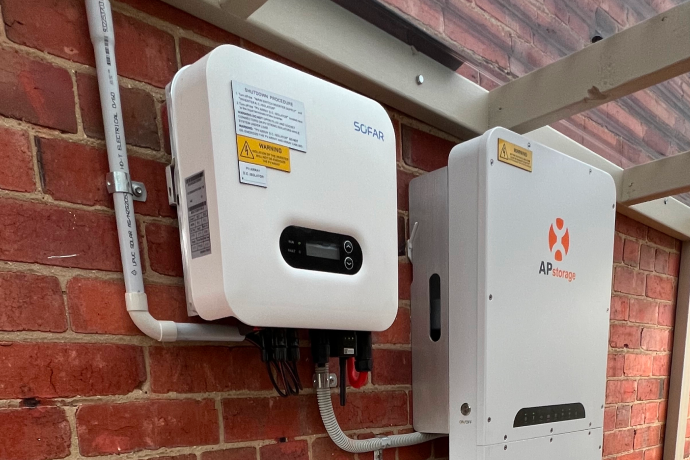
Most homes have a grid tied solar system as opposed to an off grid system which means they are connected to the electricity grid and rely on it for power during an outage. During a power outage, the solar panels connected to the grid are programmed to shut off for safety reasons to prevent any damage to utility workers or power lines. The only way to utilise your grid tied solar panels during a power outage is having additional battery backup connected to the system. Only a couple of batteries have a built-in solution. These include APstorage and Enphase. Generators have traditionally been the go-to backup power solution. However, a standard grid-connected solar system cannot operate during an outage, and running a generator alongside solar requires specialised equipment and careful integration. Without the right setup, solar and generators do not work well together — but with a hybrid system or transfer switch, they can be combined safely and effectively. AP storage is compatible with on and off-grid generators.
How to Use Solar Panels During a Power Outage
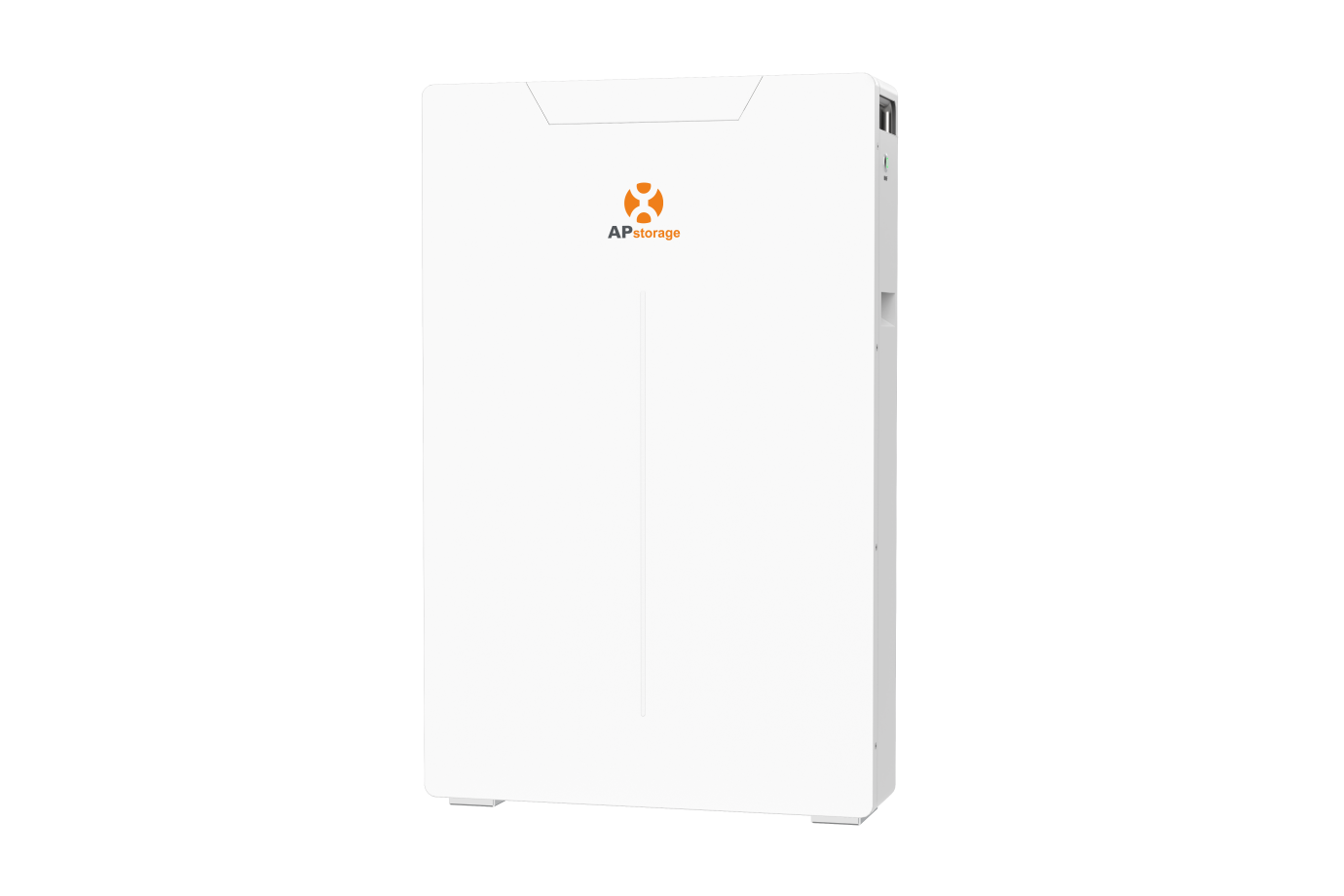
In the event of a power outage, the way to continue to use the solar energy from solar panels is to have a backup battery with blackout protection. This will allow your solar system to isolate itself from the grid during a power outage and supply stored electricity to the home. The solar battery is connected to the solar panel system via a charge controller which effectively manages and regulates the flow of energy from the solar panels to the battery. The solar panels create the electricity which is used in the home while any surplus energy is stored safely in the solar battery. Solar batteries supply electricity to the home when there is no sunlight in the evening or during cloudy days. They also supply electricity when there is a power outage provided they have blackout protection installed. Not every solar battery comes with blackout protection mode so it is important to discuss this with your solar installer.
There are some inverters like the Delta E5 Hybrid that will allow you to use some power during a blackout. However, most systems will require battery storage for reliable backup power.
How to Know if You Need Backup Power
To work out if you need backup power via your solar panels, there are a few factors to consider including your location and the likelihood of power outages or special electrical needs in the home. Take into account these points when deciding if you need a backup power system for your solar panels.
- Likelihood of power outages for your area: Consider how often power outages have occurred and the cause of them to work out if this is an ongoing issue. If you live in an area that is prone to power outages, it might be worth considering investing in a solar battery for backup power. Outages can occur because of extreme weather, technical faults or bushfires to name a few. Keep an eye on your location and the likelihood of power outages when making a decision to install backup power.
- Electricity needs: Think about the electricity needs of the household. Consider the people in the home and non critical appliances that you might need to keep running during an outage. Identify appliances like the refrigerator or heating or cooling systems that may be essential particularly if you have a baby or young children.
- Life saving medical equipment: In addition to non critical appliances, if someone in the home needs life saving medical equipment that is powered by electricity, it is important to seriously consider a backup power source.
How to Assess Power Outage Needs
Prior to experiencing a power outage and when considering backup power solutions, it is important to assess your power outage needs. This means taking into account how much electricity your home uses, including from lights, appliances and medical equipment. To assess your power outage needs and the appropriate level of backup power, take these factors into account:
- Daily energy consumption: To calculate energy consumption per day, look at past electricity bills which indicate how much energy used per month, then divide into days. If you have a smart metre you will be able to see your daily energy use on your bill or online.
- Critical appliances: For those with medical equipment or those who need appliances to operate for the safety and wellbeing of babies or children, assess how much energy these critical appliances use. Check the wattage of each appliance to figure out how much energy you require. The wattage indicates how much electricity they consume while in operation.
- Solar system size: While solar system size is not essential when deciding on backup power, it can be helpful to take into account the size of the backup system you need.
Types of Batteries for Backup Power During Outage
There are four main types of batteries that can be used for backup power during an outage. The lithium-ion, lead acid, flow and nickel-cadmium can all help during an outage but some are superior to others.
- Lithium ion batteries can be a good source of backup power during an outage. These are known for their fast charging capabilities, long life and quiet operation.
- Lead acid batteries can be used as a backup source for solar power but do take a long time to fully charge. They are a good choice for someone looking at cost savings.
- Flow batteries are a viable option for backup power but not as sought after as lithium ion as they tend to be larger and more expensive.
- Nickel-cadmium batteries are good backup options for large scale operations and are rarely for residential use. They are extremely durable and can operate in high temperatures and where high reliability is needed.
How Solar Batteries Power a Home During an Outage
During a power outage, the power stored in solar batteries is discharged to be used in the home provided the battery has blackout protection. Once the solar panels have converted the sunlight to electricity, any excess is stored in the solar battery. If a power outage occurs, it is quickly detected, disconnects from the home grid and switches to battery which then powers the home’s lights and appliances. The amount of energy stored in the battery combined with the home’s energy consumption will dictate how long the solar battery can power the home.

How To Connect Solar Panels to a Battery Backup
It is crucial to have a qualified installer connect solar panels to the battery to ensure safety, compliance and optimal performance. When connecting a battery to solar panels, it must be done by a licenced and accredited professional battery installer. The steps of connecting solar panels to a battery backup are:
- Mount solar panels if you don’t already have them: If you don’t have solar panels installed already, have solar panels professionally installed on the roof. Make sure they are facing the right direction and receive the maximum amount of sunlight for optimal performance.
- Set up solar charger controller and battery: It is imperative to set up the solar charger and battery together for safety and to avoid overcharging. The solar charger needs to be used in between the battery and solar panels.
- Connect the solar panels to the controller: Connect the positive lead from the solar panels to the corresponding positive terminal of the controller and then the negative lead to the negative terminal.
- Test solar charger controller: To make sure it is working, test the solar charger controller by using a multimeter. This will measure the DC voltage to make sure the battery is receiving the correct charge.
How To Deal with Extended Power Outages
There are ways to deal with extended power outages and utilise the maximum amount of energy stored from your battery. To ensure you maximise the life of your stored power during an outage, follow these tips:
- Conserve energy usage: To conserve energy usage, identify the appliances that are essential and those not essential. Keep important appliances like the fridge, some lights, medical equipment heating or cooling running but turn off appliances that are not crucial.
- Use battery operated devices: If you have any battery powered devices like fans or heaters, use these instead of appliances that are reliant on electricity.
- Use the right sized solar system and battery: To ensure you have enough backup power to supply the home during an outage, make sure you choose the right sized solar system and battery.
To use solar panels during a power outage, having a solar battery is crucial. Solar panels create electricity but cannot store it for later use without a backup battery. In this article we have explained how solar batteries work to ensure you can make the most of solar panels, the types of batteries and how to ensure optimal performance of stored solar power during an outage. For further details, contact the experts in solar systems at Tasmania Safer Solar.

 1300 655 808