

Solar panels have a lifespan of about 25 years but eventually some components will need replacement. When solar panels reach the end of their life they must be disposed of properly by recycling. Rather than adding them to landfill, Australia has professional recycling centres that reduce the volume of waste and conserve valuable resources like silicon, aluminium and copper for reuse. The cost of solar panel recycling depends on a number of factors like transportation, panel size and weight, and the recycling process involved.
What is Solar Panel Recycling?
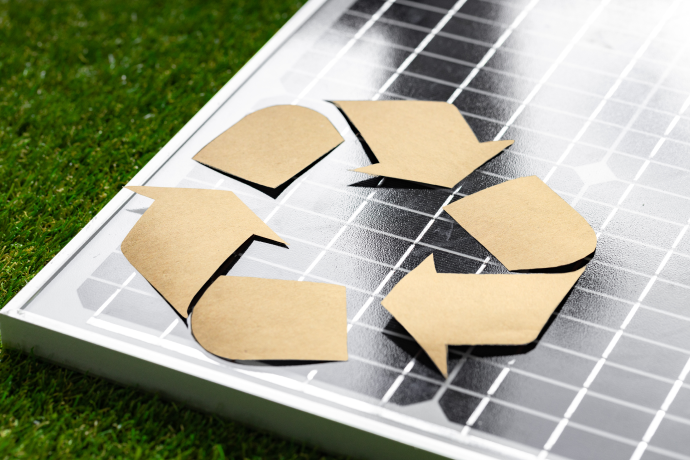
Even though solar panels have a long lifespan, solar panel recycling has been developing over recent years to reduce landfill or toxic chemical leakage from disposal. Solar panel recycling is a way for solar panel components to be used again in building materials, electronic products or even new solar panels.
Solar panel recycling involves breaking down the frame and separating the materials like the glass, metal and silicon using special machines. The first part of the process involves removal of the aluminium frame from the junction box either through an automated or manual process. The glass is then removed and stored separately. Chemical processes like thermal recycling break down the solar cells to extract the melted silicon or other valuable materials in the cells. Once removed, the materials are then processed for separate use, and sent to different recycling facilities. If the solar panels contain hazardous materials like cadmium or lead, these are removed and disposed of safely following strict environmental regulations.
What Components of Solar Panels Can be Recycled?
Photovoltaic solar panels consist of up to 95% recyclable materials including aluminium, copper, glass and silicon. To be reused, solar panels need to be carefully separated by professional recycling companies to avoid contamination. Once separated, these components can be recycled.
- Aluminium: This is found in the solar panel frame and is easy to separate from the photovoltaic panels. Once the aluminium is separated, it is cleaned to remove any other materials and then melted in a furnace at high temperatures. The melted aluminium is poured into molds to create ingots to be reused for new solar panels, building materials and other metal products.
- Glass: Once the glass is separated from the panels and frame, it is cleaned and then processed for recycling. It is crushed into a fine powder or shards and melted in a furnace. Once liquified it can be potentially used for other solar panels, bottles or jars, and even foam insulation in the building industry.
- Copper: When the solar panel is dismantled, the copper wires and ribbons are isolated from the other components. They are then heated in a furnace to melt down and be repurposed into a usable form like wiring, ribbons, ingots, rods or sheets. The recycled copper can be used for use in new solar panels, electronics, plumbing and heating.
- Silicon: In the solar panel disassembly process, the silicon wafers are separated from the glass and aluminium. Once removed, the silicon wafers are melted and refined to remove impurities. The purified silicon is then suitable in the manufacture of new solar cells for or another industrial purpose.
How much does Solar Panel Recycling Cost?
Solar panel recycling costs between $10 and $40 per panel in Australia which is about $500 to $1,000 per tonne. These costs include professional disassembly and processing the components for recycling, as well as safely disposing of toxic materials that cannot be recycled. Some fees also include removal and transportation to the recycling facility. The final cost depends on the number and type of solar panels, transportation distance and individual recycler’s fees. The cost is not varied between states and territories although Victoria is the only state where solar panel recycling is mandatory.
Factors that Influence Cost
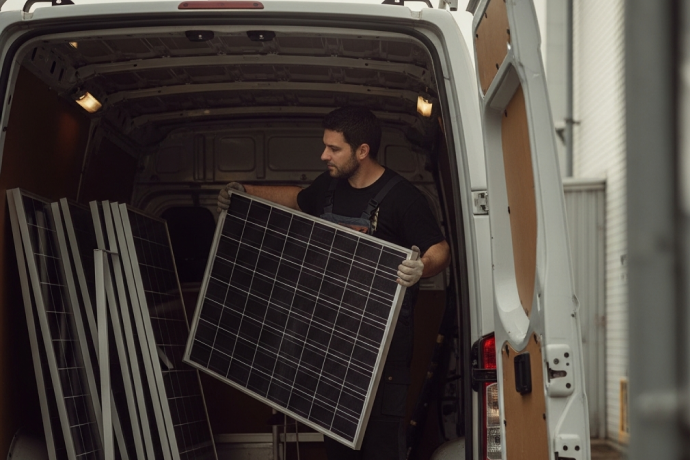
How much solar panels will cost to recycle is based on a number of variables. There is no one-size-fits-all figure as each solar system uses different types of panels, different sizes and materials. To understand how much solar panel recycling may cost, let’s look at all the factors that influence the final price:
- Type and composition of solar panels: The two main types of silicon solar panels are monocrystalline and polycrystalline. Monocrystalline is made of a single large crystal, while polycrystalline is made up of multiple crystals. The single large crystal in the monocrystalline is harder to recycle so will most likely cost more. Although thin film solar panels are less popular, they are still used in residential homes. The use of cadmium and other hazardous materials in a thin film panel make them more challenging to recycle which does impact cost.
- Solar panel size and weight: The larger and heavier the solar panel, the more expensive they will be to recycle. They are more challenging to transport to the recycling facility and will require more additional processing due to their proportions. They may even need specialised equipment to cater to the larger size.
- The number of solar panels: Recyclers tend to charge their fees based on the number of solar panels to be recycled. While the cost per panel is quite low, the average solar system has 20 to 30 panels which increases it exponentially. Less solar panels will also cost much less to recycle.
- Logistics: Transportation of the solar panels is an important logistical factor in the cost to recycle. If recycling plants facilities are a long distance away from the solar panel collection point, the price will increase. This is taking into account cost of transportation including labour, time and petrol prices.
- Mechanical vs chemical recycling: These two main types of recycling processes can be used in recycling facilities and will impact the cost. Mechanical recycling involves separating the physical components with machinery or manually. Chemical recycling focuses on extracting the materials via a chemical process. Chemical recycling is more expensive than mechanical due to higher operational costs and the need for more sophisticated processes.
- Going direct to the recycler: If you go direct to the recycler, you will most likely pay a fee per panel without additional charges apart from transportation.
- Solar panel replacement through an installer: If you are using a professional solar installer to replace your old solar panels with new ones, they may include removal and disposal costs. Some solar panel installers include the recycling cost into their fees or charge an extra amount.
- Council drop off programs: If you are in a council with a council waste facility as part of their e-waste services, this may reduce the cost to you of recycling. It is important to note that most councils with e-waste programs do not accept solar panels as waste or hard rubbish.
How to Pay for Solar Panel Recycling
There are a few different options for paying for solar panel recycling. It can be paid through your installer, through a recycling depot or potentially via a council e-waste program. Each will most likely have slightly different costs and fee structures.
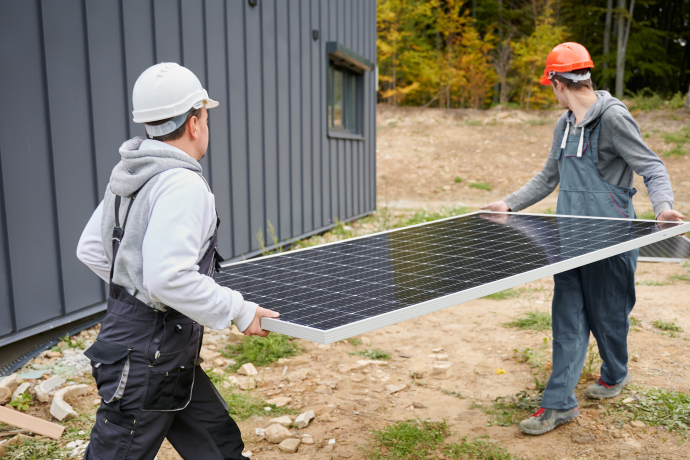
- Paying for recycling through an installer: When replacing solar panels that have reached the end of their lifespan, the solar installer sometimes offers to dispose of and recycle the old solar panels. They will usually include this as an additional cost to your solar installation. In some cases the cost may be slightly less than dealing with the logistics of a recycling company. When paying for solar panel recycling through an installer, make sure you get a detailed quote from the installer to understand the charges. It is also important to find out about the disposal and recycling process to make sure they are being disposed of properly. You can also request a recycling certificate.
- Paying for recycling through a recycling facility: To contact a recycling company, search online for recycling near you. This is a good way to find recycling centres and see if they accept solar panels. Ideally you will have a specialised solar recycling facility close to you to keep costs down on logistics. Your solar installer might be able to help you locate a solar recycler. A solar recycling facility will charge you per panel and additional costs of transportation.
- Paying for recycling through an e-waste facility: Some local councils have programs that accept solar panels for a fee or specific e-waste drop-off points. Research your councils to find out if you can have your solar panels recycled for a reduced fee.
Benefits of Solar Panel Recycling
Solar panel recycling poses an additional cost for homeowners once the solar panels come to the end of their useful life. However, most solar panels will work effectively for 25 to 30 years before they need to be replaced. While solar panel recycling does cost money, it has a plethora of benefits, from reducing the amount of landfill to conserving valuable materials. The main benefits of solar panel recycling include:
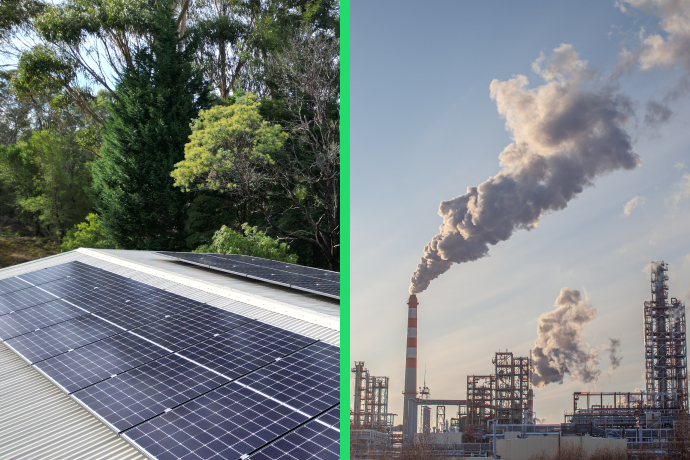
- Prevention of toxic waste: The recycling process plays a part in preventing toxic waste as unused solar panels are not disposed of in landfill where toxic chemicals can escape. Part of the recycling process is the safe and environmentally friendly disposal of any toxic materials that cannot be recycled.
- Conservation of valuable materials: By recovering and reusing materials, solar panel recycling conserves valuable resources.
- Landfill reduction: When solar panels are recycled, about 90% of the materials can be reused. Less materials that need to be disposed of in landfills is good for the environment, reducing air and water pollution significantly.
To recycle solar panels costs anywhere between $10 to $40 per panel in Australia. The cost depends on a variety of factors such as the type of panel, logistics and even who recycles the panels. Solar panels have a long lifespan of 25 to 30 years so paying for recycling is not an unreasonable expense. For those looking at replacing their solar panels and want to find out about disposal and recycling options, the team at Tasmanian Safer Solar can answer your questions.

 1300 655 808