

It’s always important that your solar panels are working at full capacity to ensure you generate as much energy from the sun as possible. While your panels are designed to last for over 20 years, hot spots can affect your system and lower your energy production.
Hot spots occur when one or more cells within a series are underperforming, causing areas of your panel to overheat. This can result in noticeable performance drops and long-term damage if not identified. They can be caused by a variety of factors, such as an error during installation, partial shading or dirt and debris that forms on your panels.
Hot spots are particularly challenging because they are incredibly hard to detect and are usually not visible to the naked eye. These faults will usually require a professional inspection or the use of thermal detection equipment for identification. Because they are so difficult to detect, this makes prevention important, by installing quality solar panels and performing regular maintenance.
What Are Solar Hot Spots?
Hot spots are one of the most common issues you may encounter with your solar panels. This refers to when parts of your solar panels become overloaded and reach higher temperatures than the rest of your panel.
To generate solar energy, your panels are made up of individual solar cells, which are connected in a series to allow current to flow through. However, because they are connected in a series, when one cell steps, it acts as a resistance that blocks current from flowing forward. Because the rest of the cells are working at full power, current may be forced through the damaged cell, where current is converted into heat rather than electricity. This creates the hot spot, where excessive heat builds up within an area of your panel.
Your cell can stop working correctly for a variety of reasons, with shading, dirt and damage common causes. Over time, these hotspots can create irreparable damage to your panels, with lower efficiency and a reduced power output.
Causes of Solar Hot Spots
Hot spots can affect your panels due to a variety of underlying factors. Understanding these causes will be crucial to preventing any long-term issues. These will include the following:
Partial Cell Aging
As your panels age, each solar cell may age differently depending upon various factors such as uneven exposure to sunlight, temperature variations or moisture. As some cells degrade, they won’t be able to produce as much electricity, leading them to consume the energy generated by other cells, while generating heat to produce a hot spot.
Installation Error
Your panels may have encountered an issue during their installation, which creates a hot spot. For instance, any physical damage to a cell, such as a micro-crack during transportation, can lead to hot spots where certain cells aren’t operating at their maximum. The positioning of your panels during installation is also critical because if your solar installer positions your panels at an unsuitable angle or tilt, it reduces the sunlight exposure to certain areas.
Partial Shading
One of the most common causes for hot spots is shade. When your solar panels are positioned on your roof, shade can come from a variety of sources, from trees that surround your home, nearby buildings or even a chimney, powerlines or satellite dish. When a portion of your panels is shaded, these cells won’t be able to perform at their optimal level. This can lead to subsequent heat accumulation and temperature rise with the formation of hot spots.
Faulty Bypass Diodes
When your panels experience partial shading, bypass diodes can be used to minimise the performance drops. These devices are designed so your panel’s current can bypass any shaded area or cells that are underperforming. However, if these devices fail due to a manufacturing defect or wear and tear, then they won’t be able to stop hot spots from forming within the underperforming cells that are shaded.
Dirt and debris
Dirt, dust and debris can naturally accumulate on your solar panels over time. When these areas aren’t properly cleaned, they can block out sunlight from reaching your solar cells. Like shading, hot spots can form in these dirty areas, where your affected cells are losing electricity and generating heat.
How to Identify a Solar Hot Spot?
Identifying a solar hot spot can be challenging in certain cases. It can be straightforward when you can visibly detect any shade or dirt covering your panels. However, if this isn’t the case, hot spots are usually undetectable to the naked eye, meaning you will need to take the following extra measures for detection:
Check monitoring data
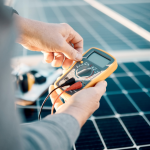
A noticeable drop in performance can be a strong indicator of a potential hot spot. Check your energy monitoring apps and compare your current performance levels with your previous “optimal” levels for any discrepancies. You could also manually test your panel’s output with a multimeter. They should be within 10% of their rated output, which can be found within your panel’s manual. If your voltage is significantly lower, this could indicate a potential hot spot.
Booking a professional solar inspection
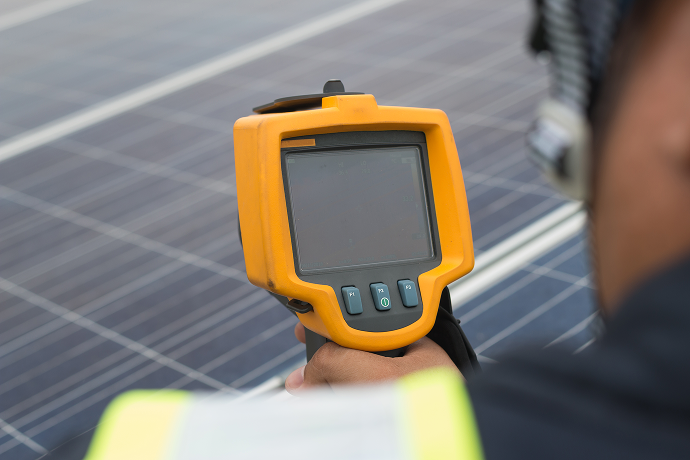
If you suspect your panels may be suffering from a hot spot, the best way to accurately find out is by booking an inspection from a professional solar installer. They will be able to conduct a thorough check on your panel’s health, using state-of-the-art technology such as thermal imaging cameras to help identify any overheating components or faults. The team at Tasmanian Safer Solar (TSS) are the experts in the solar industry, and can help Tasmanians troubleshoot any hot spots.
Consequences of Hot Spots to your Solar System
When hot spots affect your solar panels, this can lead to a range of consequences. The following are some of the ways in which a hot spot can harm your solar system.
Performance drop
Since hot spots create more heat, rather than generating electricity, this reduces the overall output of your panels as the affected cells can’t contribute to energy production.
Damage to components
Overheating can stress the internal components of your panels. These can include their internal wiring, connectors, and backsheets, which can all be potentially damaged by the added heat.
Lifespan is affected by thermal stress
When your panels are exposed to high temperatures over time, this can shorten their lifespan due to the thermal stress that’s being put on their materials. Repeated heating can lead to physical effects such as degradation, micro-cracks and even premature system failure if left unaddressed.
How To Fix a Solar Hot Spot?
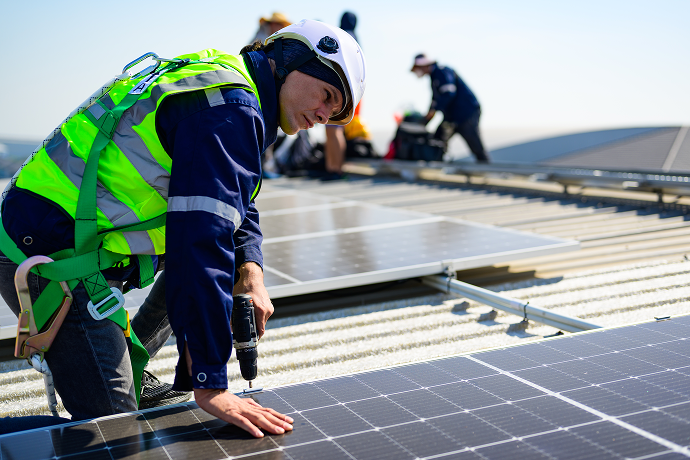
Depending upon the cause of your hot spot, the solutions can range from a simple cleaning to requiring a complete replacement. To fix your solar hot spot, you should take the following steps:
Clean down your panels
One of the best ways to prevent hot spots from developing is cleaning down your panels if they are impacted by dirt, dust or debris. If your panels need to be cleaned, first make sure your entire system is completely shut off. Then, standing on the ground, rinse your panels off with a hose. We recommend remaining on the ground, because the roof can be dangerous, particularly when using water to clean. If your hose doesn’t wash away all the dirt, please reach out to your local solar professional who can carry out a thorough clean.
Remove shading if possible
If trees are casting shade, then try to regularly trim or even cut them down. If buildings are casting a shadow, then get in touch with your installer to discuss repositioning them so they are no longer impacted. It is important that you also think about all seasons of the year, and choose a section of your roof that can maximise direct sunlight throughout the year. Please contact your solar installer if you are unsure of how to reduce these effects.
Hire professional
Although shading and dirt panels can be straightforward fixes, when hot spots are caused by more serious errors, your panels may require replacement. Particularly, if a hot spot is linked to partial cell aging or a faulty bypass diode, you must reach out to your local installer, who is uniquely qualified to find the best solution for you. Typically, your solar installer will recommend a full replacement of your system, particularly if the hot spots have significantly reduced the output of your panels. You must reach out to your solar installer, as unauthorised or improper repairs to a solar panel can void the warranty, meaning you’ll have to cover a full replacement.
How To Prevent Solar Hot Spots?
Because of the risks of having to fully replace your panel, we recommend considering the following prevention tips:
Choose quality panels
The first step for prevention is investing in a high-quality panel from a reputable brand. This ensures they are less likely to suffer from any defects, with the durability and longevity to handle the Australian conditions. A high-efficiency panel can also ensure the maximum amount of sunlight is converted to electricity, helping to reduce any energy loss and mitigating the severity of any hot spots.
You should also ensure your new panels are installed with bypass diodes, which can help prevent a current from flowing through your shaded or damaged cells to reduce the risk of a hot spot. If you’re unsure which panel to choose, reach out to your local installer and make sure you prioritise high-quality technology.
Install microinverters
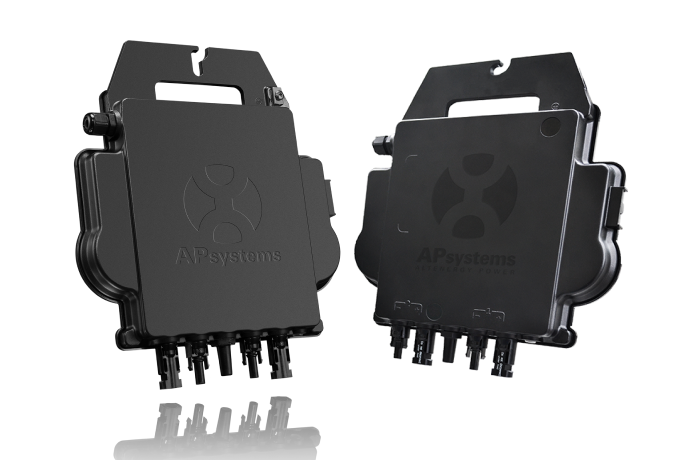
If your panels are shaded, your solar installer can add microinverters to help negate any negative effects. Unlike string inverters, which wire solar panels together in a series, microinverters such as the APsystems DS3 allow every panel to operate independently, meaning each one can send electricity to the home directly. As a result, if one panel is shaded, only that panel is affected, allowing the rest of your system to operate at full capacity. For more information on how to reduce shading, please visit our article here or contact your local installer.
Invest in a Reputable Installer
Make sure you also hire a qualified installer with the experience to deliver a panel installation free of any issues. Micro-cracks and knocks during the installation process, which disrupt the flow of electricity, can lead to hot spots forming. Furthermore, they should be experienced in finding the correct positioning, ensuring sufficient airflow beneath the panels for cooling, and selecting the right rooftop angle so that all parts of your panel receive sunlight. The experts at TSS are an approved retailer with the Clean Energy Council and can deliver your next solar installation safely.
Clean solar panels regularly
As mentioned previously, cleaning should be carried out regularly on your panels to eliminate any dirt, dust or debris that’s built up. Don’t wait until you can see visible dirt on your panels; make sure you give them a wash at least once a year to keep them operating efficiently and reduce the risk of hot spots forming.
Conduct Regular Monitoring and Maintenance Checks
Along with regular cleaning, it’s important to get your panels inspected by a professional. They can use specialist equipment such as electroluminescence imaging (EL), which operates similarly to an X-ray to find any potential hot spots or micro-cracks that are difficult to detect. We recommend a professional inspection at least once every two years, regardless of how well your panel is performing. Also, check the performance of your panels via your monitoring app to spot any unusual changes. Try monitoring this information weekly if possible, or every few days, to ensure it’s running as expected.
The hidden foe of solar panels, hot spots can negatively impact your system’s performance. They are typically caused by shading, dirt and debris, or a faulty bypass diode, creating an area of high resistance within cells. By conducting regular monitoring and maintenance checks, or cleaning your panels regularly, you can avoid these issues from flaring up on your device. For more information on solar hot spots, reach out to the experts for further support at TSS.

 1300 655 808