

Hail can be an alarming prospect when you have valuable solar panels on your roof. Luckily, modern panels are specifically designed to withstand extreme weather. The solar industry has developed rigorous testing procedures to address hail resistance, with your panel’s tempered glass able to withstand impacts from various sizes and speeds.
It is important to be aware that damage can still occur especially from large hailstones travelling at high speeds. These hailstones can cause large cracks to form, as well as hidden micro-cracks that affect performance. To ensure your solar panels survive their next hailstorm, try adding temporary covers for protection and organise insurance that covers any damage. Hail should never stop you from investing in solar energy, and by following our guide, you can address these concerns and understand how to keep your panel safe.
What is hail?
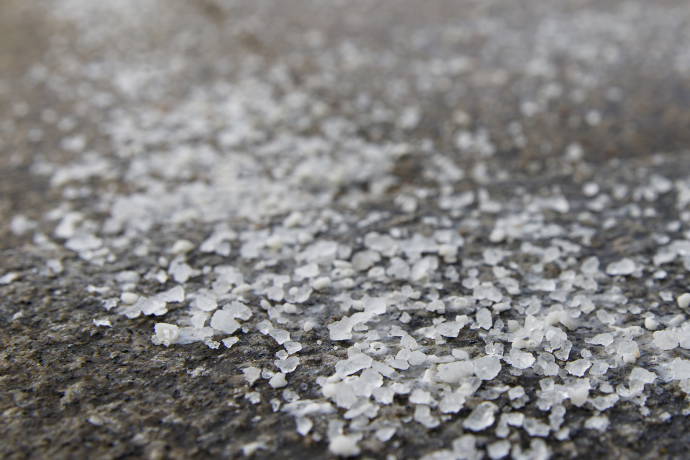
Hail is solid pieces of ice that form within thunderstorms. They are created when raindrops are lifted by updrafts into the cold atmosphere, where they freeze and build layers of ice. Hail can grow in size as it collides with more rain, where the liquid drops freeze to form larger hailstones. Once they are heavy enough, and the updraft can no longer support their weight, they fall towards the ground.
Typically, most hailstones will be less than 25mm, although heavy thunderstorms can generate much larger sizes of 50mm due to their intense conditions. However, it’s not always the size that’s an issue, as hail can travel at speeds of between 50 and 120 km/h.
Hailstorms can occur regularly across parts of Australia, particularly states such as Queensland, New South Wales and Victoria. In Tasmania, the frequency of hail is much lower than in other parts of Australia, although these instances are increasing due to the effects of climate change.
Can Hail Damage Solar Panels?
Because your solar panels are made from tempered glass, they will resist hailstones on the majority of occasions. Under Australian standards from the Clean Energy Council (CEC), solar panels must pass tests that show they can resist hail of up to 35mm in size, roughly the size of a golf ball, falling at terminal velocity.
Although they are designed to handle normal weather conditions, no solar panels are completely ‘hail proof.’ Heavy or large hail over 50mm that travels at high speeds may crack your panel’s surface, which can affect its efficiency and lifespan. Even if there are no visible cracks, your panel’s internal cells and components may be damaged, making it important to properly check your solar panels for damage.
How To Check For Hail Damage
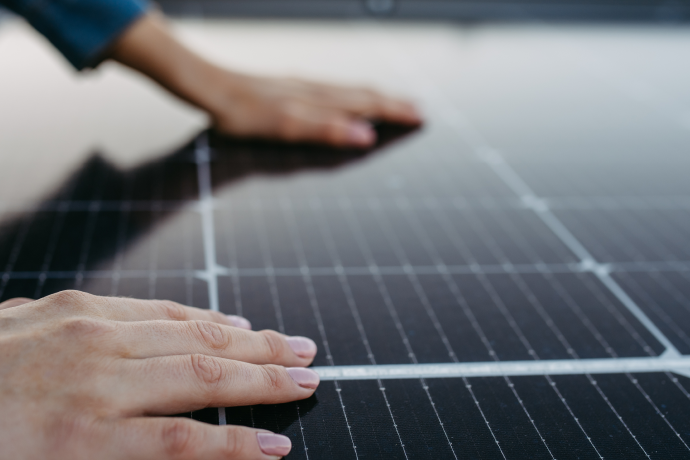
Following a heavy hail storm, it’s always a great idea to check your solar panels for any damage. This can ensure you maintain the benefits of solar energy without any dips in performance.
Visual Cracks and Damage
Check your solar panels for any visible damage. When a large hailstone strikes at a high speed, it can cause cracks, dents or fracturing to the glass surface, which often appears as a spiderweb pattern. You should be able to spot these signs from the ground.
Micro-cracks and Chips
These are the ones that may be more difficult to detect, and the type of damage that many households ignore. Although they begin as small chips or micro-cracks, they can spread over time like a windshield crack, reducing efficiency as they grow. They may also create “hot spots,” which are areas where excessive heat builds up that affects solar performance. Thoroughly check your panels for any smaller cracks. If needed, hire a professional who can conduct an inspection using infrared (IR) imaging, which can detect this damage.
Inverter alerts
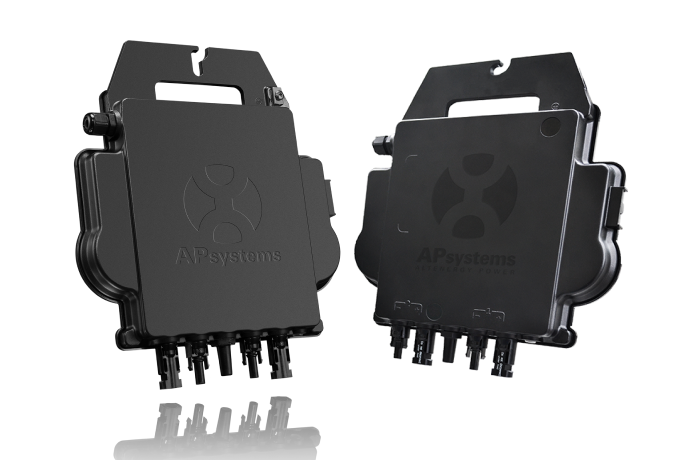
A quick way to determine if your panels are damaged is to inspect your inverter’s display for any error messages such as “ground fault” or “earth fault.” Your inverter can monitor performance, and should be able to tell if there’s anything wrong. If you also see any red lights or no indication of any power being generated, this could point to a damaged panel.
Monitor your system’s performance over time for any inconsistencies
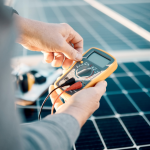
Use your system’s monitoring app to track how your solar panels are performing in kWh. Compare it with your panel’s expected performance and past data, as any drop in output could be a sign of hidden damage. If you have an older system and want to manually check, use a multimeter to measure your panel output and compare against older readings for any performance dips. Try to check your panel’s performance on sunny days to get an optimal reading.
Professional inspection
Organising a qualified professional to inspect your system will ensure no hidden damage is missed. Professionals are equipped with a range of inspection technologies, such as electroluminescence (EL) imaging and multimeters that can detect hidden hotspots. Reach out to the experts at Tasmanian Safer Solar (TSS), who can schedule a professional inspection.
What To Do If Your Panels Are Damaged
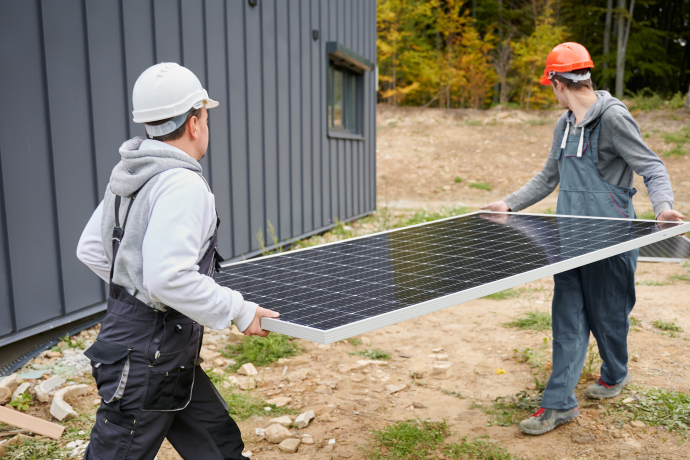
If you’ve inspected your solar panels and found damage, your first point of contact should be your solar installer. They may recommend a professional inspection, who can determine the extent of the damage and assist with organising a replacement. They are also qualified to safely disconnect your solar panels from the rest of your system, while avoiding any electrical hazards.
It is also important to reach out to your insurance providers, who may be able to cover the cost of replacing your panels. This is typically covered within your home and contents insurance, although different providers have different rules, so it’s best to contact them directly. Gather any evidence of your damage with photos or videos, which may need to be submitted along with your insurance claim.
How To Protect Your Solar Panels From Hail
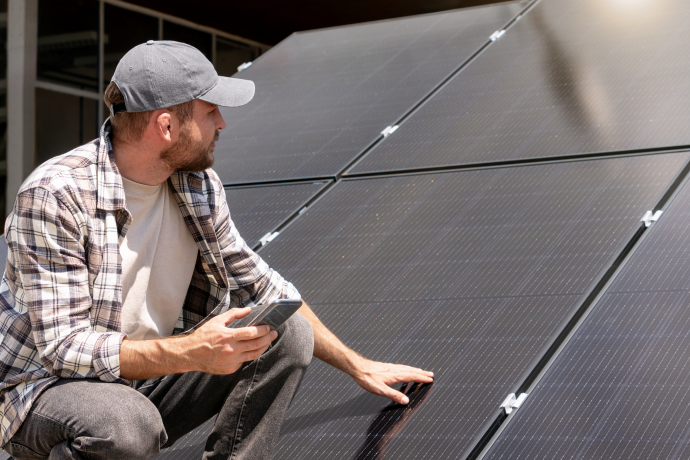
Although solar panels are designed for hail protection, there are extra steps you should consider if you’re looking for maximum protection. These include the following:
Choose a high-quality solar panel
One of the best protections against hail is opting for highly resilient panels. As previously mentioned, choose solar panels that are certified with CEC to IEC 61730 or UL 61730. These panels have been tested to ensure they can withstand normal levels of hail. Also consult with your installer on the thickness of your panel glass, with 3.2mm panels offering the best protection.
Use a temporary protective cover
If you know there’s a hailstorm coming, you could place protective covers on your panels to prevent any damage. A temporary hard shell cover will give you the ultimate protection against hail, but it will block out sunlight, so ensure you remove these covers once the storm passes.
You could also purchase a methacrylate spray, which protects against hail while also allowing sunlight to be converted. This is a cheaper alternative to temporary covers that can still provide adequate protection. Important that you apply the methacrylate spray correctly, as too much can stop your panels from receiving sunlight, while too little can hurt their protection against hail.
Organise insurance cover
Reach out to your insurance provider to determine whether your solar panels are explicitly covered within your home and contents insurance. Make sure that this also covers damage caused by storms and hail. Look over your insurance policy and understand what it doesn’t cover. This is a vitally important step for protecting yourself against hail, saving you significant financial losses from any damage.
Ensure proper installation angle and position for natural protection
Your installation angle is critical to ensuring your panels are working at peak efficiency with the available sunlight. Your angle is also important when seeking protection from hail. When your panels are at a higher tilt angle (45°–60°), this increases your panels’ protection by turning what would be direct impacts into hits that graze or skim. It is important, though, that you discuss this decision with your solar installer, as you don’t want to adjust your panel’s angle away from its optimal position.
Keep an eye on the weather
Part of protecting your solar panels is being prepared for extreme weather before it occurs. When you know that thunderstorms and stormy conditions are coming, monitor the weather while it approaches. This can help you know when it’s time to cover your panels and monitor for damage.
Should I Install Solar Panels if I Live in an Area Prone to Hail Storms?
Because modern solar panels are designed to withstand most hailstorms, you should absolutely still invest in a solar system. They are built to last for decades through extreme weather conditions, with new models rigorously tested to ensure long-term durability.
As long as you take preventive measures, such as purchasing high-quality panels and adding home insurance, your solar panels can stay safe through any wild weather. If you’re still concerned about heavy hail, try to monitor the forecast and consider buying temporary covers for ultimate protection. Choosing a reliable installer can ensure your panels are correctly installed with premium technology. With a track record of delivering high-quality systems for Tasmanians, TSS can design a system that’s ready to handle any hail threats.

 1300 655 808