


Although modern solar panels are designed to last for over 25 years, faults can still occur. These can be caused by a range of factors, from extreme weather events to an issue during installation. Faults can include hot spots that cause parts of your solar panels to overheat, microcracks and corrosion. It’s also important to be aware of how any inverter issues, as well as dirt and debris, can reduce your panel performance. Read on to discover some of these major faults and the steps you can take toward detecting them before they compromise your solar system.
8 Common Solar Panel Faults
Hot Spots Issue
A solar hot spot refers to a concentrated overheating of an individual solar cell. One of the most common faults, hot spots are usually caused by a manufacturer’s defect, as well as partial shading, debris, or dirt. When the cell is faulty or shaded, it can’t allow energy to flow through, which leaves it overloaded and radiating excessive heat.
These hot spot areas can degrade much faster, which can reduce your panel’s overall lifespan and performance levels. In severe cases, the extra heat may even burn the cells, which can lead to a fire.
These hot spots aren’t always visible to the eye, so it’s important to contact your solar installer, who can conduct a professional inspection. You can also regularly monitor performance levels to watch out for any unexplained dips. To avoid any hot spot issues in the future, try and remove dirt and debris from your panels, as well as positioning them away from any potential shading.
Micro-Cracks
Like hot spots, a micro-crack can often be difficult to spot. Often, these start at a microscopic level, and over time, these micro-cracks form into larger, actual cracks over your panel’s cells. The bigger these cracks grow, the more they can disrupt the flow of energy as they break up the delicate electrical paths between cells.
Micro-cracks can be caused by a knock during manufacturing, transport or installation. Weather conditions may also create micro-cracks with hail, ice or falling debris that leave scratches and damage your panels. Once a micro-crack appears within your solar panel, the power output can only get worse. These cracks usually cannot be repaired and will require a full replacement if they’re affecting performance levels. This makes prevention essential, which is best done by choosing a professional installer such as Tasmanian Safer Solar (TSS), who can safely deliver your new panel in the best possible condition.
Potential Induced Degradation (PID) Effect
If you notice a gradual loss of power within your panels, this could be due to the Potential Induced Degradation (PID) effect. This occurs when there’s a high voltage difference that develops between the solar cells and other components of the panel, such as the glass surface or aluminium frame. This difference in voltage creates a leakage of current, which can cause your solar cells to deteriorate in performance and power output.
PID can also be exacerbated by environmental factors, with humidity allowing moisture to seep through that can cause a current leakage, which can be worsened by hot temperatures that affect your solar production.
Luckily, most modern solar panels are designed to minimise PID through the use of high-resistivity encapsulants like polyolefin elastomer (POE) or silicone-based materials, which create more effective electrical insulation barriers. Please reach out to the team at TSS for more information on PID and how to choose a solar panel that’s resistant.
Corrosion
The Australian weather is known for its extremes, with heavy rain and heat. Due to this weather, moisture may begin to leak into your panels over time that initiates a corrosion process. Metals are highly susceptible to corrosion, with the metallic components of your panel, such as your frames, electrical connectors and components affected. This can create rust, oxidation or lead to their general degradation, which can reduce their efficiency and lifespan.
Choosing high-quality solar panels made from reputable brands is one of the best ways to prevent corrosion. Also, try to conduct regular maintenance on your panels and regularly inspect the hardware closely. If you discover corrosion within your panels, we recommend contacting a professional, such as one of the technicians at TSS, who can handle this fault safely and effectively.
Dirty Panels
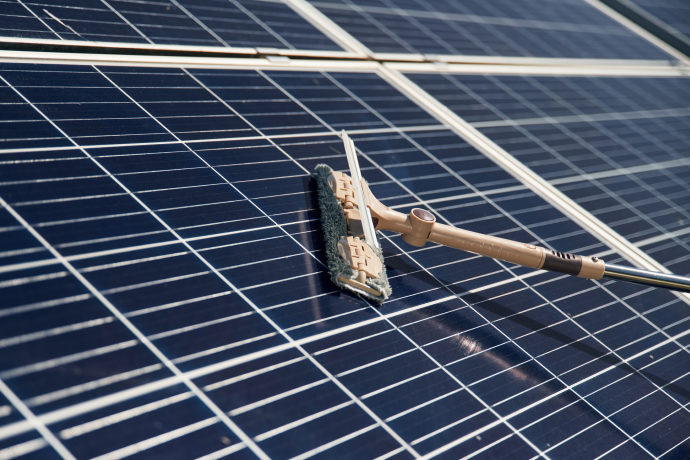
One of the most common and easily preventable causes of a solar panel fault is dirty panels. Because of your panel’s position on your roof, it can often be a target for dust, dirt, pollen and other debris that can slowly accumulate. This can block out parts of your panels, reducing their cells’ ability to absorb as much sunlight as possible, which affects their performance.
Try to be consistent with cleaning your solar panels, which we recommend doing at least once per year. Ensure that your system is completely turned off before cleaning, and rinse the panels with a hose. We recommend that you keep your feet on the ground at all times, as the roof can be dangerous, particularly if you are using water to clean. If you’re unsuccessful in removing all the dirt with a hose, we recommend you contact your local solar professionals who can conduct a thorough clean.
Solar Inverter Errors
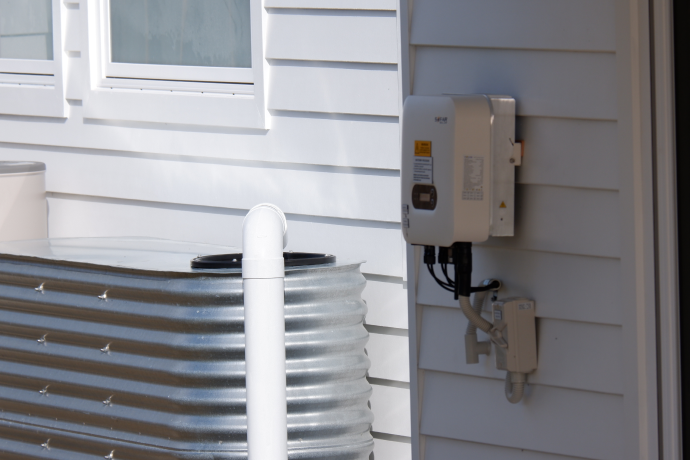
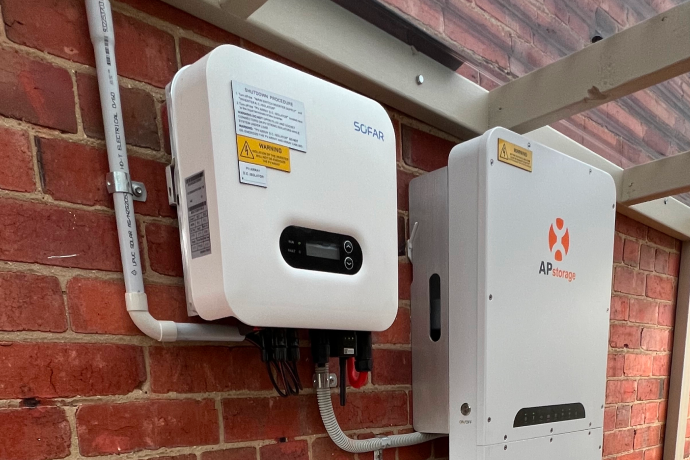
When your inverter breaks, your entire system won’t function correctly. This is because you will be unable to convert the Direct Current (DC) energy from your panels into usable Alternating Current (AC) for your home.
Inverters can develop issues due to a variety of reasons. Overheating is a common issue when high temperatures or the buildup of dust block ventilation, which increases heat and damages your inverter’s components. Your inverter may also shut down if it experiences abnormal voltage increases or decreases outside of its safe operating parameters. Although your inverter will typically be able to resume working as normal, if these shutdowns are happening consistently, it could signal a broader issue that requires professional attention.
Fortunately, many of these inverter issues are relatively straightforward for a professional to fix, as they can replace any faulty components and troubleshoot any connection issues. In the future, try to keep all your inverter firmware updated to the newest version. Also, monitor your system’s performance over time, and make a note of any changes in performance to catch any inverter problems early.
Wiring & Electrical issue
Your solar system is bound together with electrical wiring that connects your panels to your inverter and to your home. Any faulty wiring or electrical issues can destroy this connection and prevent any electricity from flowing through.
Often, faulty wiring just happens over time. Particularly on your roof, wiring is exposed to a variety of weather conditions, such as rain that can infiltrate your wiring. Any moisture that finds its way in can create corrosion and oxidation that can lead to power loss. Animals like rats can also chew on your wiring, which can create cracks or tears for rain to flow through. Choosing good-quality electrical wiring is your best defence against any faults, with a professional installation that carries out proper sealing and insulation.
Roof Defects
Although not technically a fault with your solar system, when you get your panels installed, your roof can be at risk of damage. Your solar panels must be installed with mounting structures that need to be drilled and bolted down. On rare occasions, this process can create leaks or compromise the structural integrity of your roof with its added weight.
This should never occur with correct installation, as professional installers should be able to find solutions for adding solar panels without any damage. A qualified installer, such as TSS, can assess the structure of your roof ahead of time and determine the best installation location that minimises damage.
How to Check if My Solar Panels are Working Properly?
The key to solving any solar panel faults is identifying them before they become a problem. Follow these steps to check your solar panel performance:
Monitor performance
The majority of modern systems will come with monitoring apps or software that connect to the internet and track your energy production with real-time data. These apps can be a great way to check for any unusual drops in peak output by comparing your current data with your previous “optimal” levels. When your system was first installed, you should have received a manual from your installer that gives an estimate of your system’s monthly production, usually expressed as average kilowatt hours (kWh). Compare the estimated amounts in your manual with your actual output to spot any potential faults.
If you’re looking to add a monitoring system to your home setup, please reach out to the team at TSS, who can help you add software that helps you stay on top of your solar production.
Test output with a multimeter
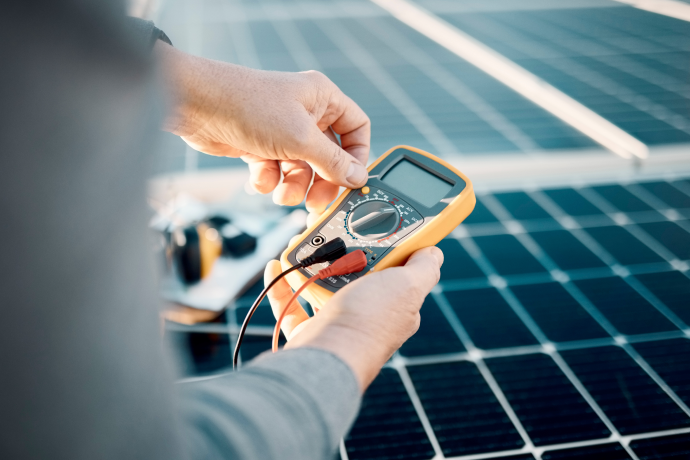
When you don’t have access to any monitoring software, you can check your system’s output the old-fashioned way, with a multimeter. This is a device that can measure both voltage and current. To use a multimeter, first set your device to measure DC voltage. Fully disconnect your panel from your system and place it within direct sunlight. Then connect your multimeter probes to the positive and negative terminals of your panel, and take note of the voltage reading. This reading should be within 10% of the rated output found within your panel’s manual. If your voltage is significantly lower than the rated output, this could indicate a fault.
Conduct a visual inspection
Simply standing outside and taking a look at your solar panels may reveal any issues. Check for any dirt or debris that may be forming, such as dust, bird droppings or leaves, as these can negatively affect performance. You may also be able to spot any shade that may be obstructing part of your panels.
Check inverter
Because your inverter is sitting at the heart of your entire system’s performance, it can often be the first component to identify a problem. Your installer should have supplied you with instructions on what the different inverter indicators mean.
Importantly, if you receive any sort of error message on your inverter, contact your installer immediately, who can identify which part of your system is at fault.
What To Do When Your Solar Panels Aren’t Working?
If you’ve followed our steps for checking your solar panels and discovered a potential fault, your first point of contact should be your professional solar installer. Unless you can see visible dirt or debris on your panels that is affecting performance, you will need to reach out to your installer, who can organise a professional inspection. It’s important to act quickly when you discover a fault, as this can stop any cracks or hot spots from worsening.
Do not try to fix your solar panels without first seeking professional advice. Solar systems operate at a voltage that can pose a dangerous hazard if the right steps aren’t followed. You never want to risk getting an electric shock. The team at TSS are experts in all things solar, with certified technicians and installers who are ready to solve any faults safely.
How to Replace Solar Panels
When you discover a fault in your solar panels that requires a full replacement, you may be wondering about your next steps.
Firstly, you should get in contact with your solar installer or panel manufacturer for warranty information. Depending upon your fault, you may be covered, for instance, any faults that are caused by an issue with the installation should be covered by your installer. Furthermore, your manufacturer should provide a product warranty, which promises your panels will have no problems after a set amount of time, usually 10 to 15 years. Depending upon your exact fault, you may be covered under these warranties, which can provide a full replacement at no cost to you. If you’re unsure about the specific warranty periods, reach out to your solar installer for more information.
You should also carry out the necessary steps for safe disposal and for organising a new panel. It’s particularly important that you allow a solar installer to safely dispose of your panels in the correct way. Although it’s legal to dispose of solar panels in a landfill in Tasmania, some of their materials, such as lead and copper, can seep into groundwater, causing contamination.
Luckily, the majority of your solar panel can be recycled, with materials such as glass, aluminium and silicon being recoverable. Recycling can be organised by your solar installer, who can send your panels to a specialist recycler for proper handling. With more than 100,000 solar panels estimated to enter Australian waste by 2035, following these steps helps you do your part for your environment.
Staying ahead of any solar panel faults, such as hot spots or microcracks, can ensure you get the most of your energy system. Finding time to also monitor your panel’s performance and conduct visual checks and professional inspections will be imperative. For more information on how faults can affect your solar panels, and how they can be fixed, please reach out to the team at TSS.

 1300 655 808